Heat Exchanger Manufacturer Orders Batch “CAB” System
“AI; Controlled Atmosphere Brazing (CAB) is an industrial metal-joining process where multiple components are bonded together using a molten filler metal inside a furnace devoid of oxygen. By replacing ambient air with an inert or active gas mixture (typically nitrogen, hydrogen or argon), CAB prevents metal oxidation at high temperatures. This allows the molten filler material to flow smoothy into tightly fitting joints via capillary action, creating exceptionally strong, leak proof and aesthetically clean metallurgical bonds.”

This is the first contract between SECO/WARWICK and this customer. RASA, however, was already familiar with the Group’s technology through CAB equipment operating at other manufacturers in Turkey.
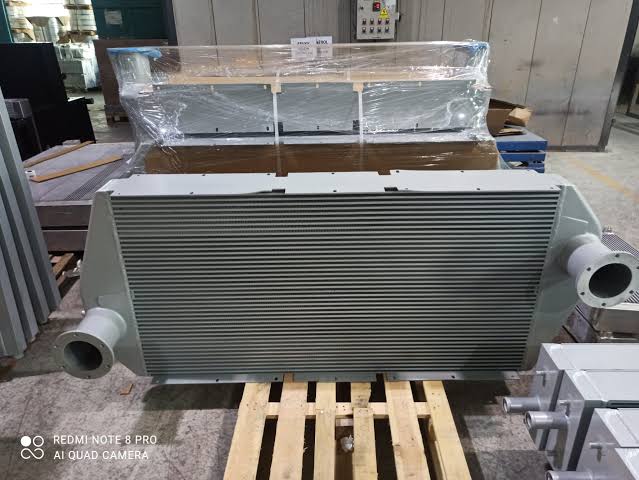
The new furnace will be used primarily for brazing large heat exchangers in the recommended vertical position. Thanks to its universal design, it will also enable the processing of standard fin-tube exchangers and plate heat exchangers. The scope of delivery will include a CAB batch furnace with a dryer, a final cooling chamber, and an external transport system.
The Turkish plant’s investment is connected with expanding production capacity, building a new facility, and broadening its product portfolio. Heat exchangers for the heavy-duty, aftermarket and industrial markets require flexible technology because individual products differ in geometry, weight, size and process parameters. In such conditions, brazing quality matters, but so does the ability to quickly adapt the equipment to changing product types.

CAB technology, (Controlled Atmosphere Brazing), is one of the key processes in the industrial production of aluminum heat exchangers. It enables durable, leak-tight, and repeatable aluminum joints to be produced in a controlled protective atmosphere. For manufacturers of radiators and heat exchangers, this translates into stable quality and greater process predictability.
The importance of such technologies is growing along with the thermal management market. According to available analyses, the global heat exchanger market is expected to grow in the coming years, driven in part by demand for energy efficiency and the development of industry, transportation, energy and cooling systems. Requirements are also increasing for heat exchangers used in vehicles, work machines, industrial installations and drive systems, where reliable cooling has a direct impact on the operation of the entire system.