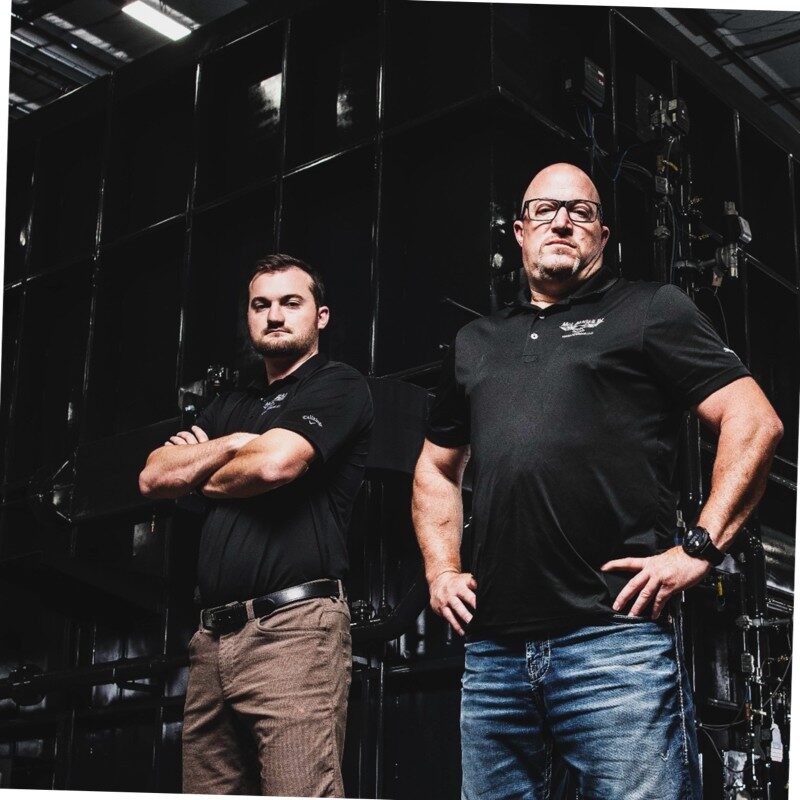
“In our increasingly technology-driven world, certain elements, often unseen and unheard of by the general public, hold immense strategic importance.
These are the rare earth materials, a group of 17 elements on the periodic table that possess unique magnetic, luminescent, and catalytic properties.
From the smartphones in our pockets and the electric vehicles on our roads to critical defense systems and renewable energy technologies, rare earth elements are indispensable. Their unique characteristics enable the miniaturization of electronics, enhance the efficiency of clean energy technologies, and are vital for numerous defense applications, including missile guidance systems, lasers, and radar technology.
However, the supply chain of these crucial materials has become a focal point of geopolitical and commercial tensions, particularly between the United States and Europe on one side, and China on the other.
For decades, China has held a near-monopoly on the global rare earth supply chain, controlling the vast majority of mining, processing, and refining capacities.
This dominance has provided China with significant leverage in international trade and politics.
Recognizing this strategic vulnerability, the United States and Europe have embarked on ambitious initiatives to secure their own supply chains, aiming to reduce their reliance on China.
Several factors drive this push for diversification:
- National Security: Dependence on a single foreign supplier for materials critical to defense technologies poses a significant risk. Disruptions in supply could severely impact military readiness and technological superiority.
- Economic Resilience: The concentration of rare earth production in one country creates vulnerabilities to price fluctuations, export restrictions, and geopolitical instability, impacting various downstream industries.
- Technological Advancement: As the demand for rare earths continues to grow exponentially, driven by the clean energy transition and advancements in electronics, securing a stable and diversified supply is crucial for maintaining technological competitiveness.
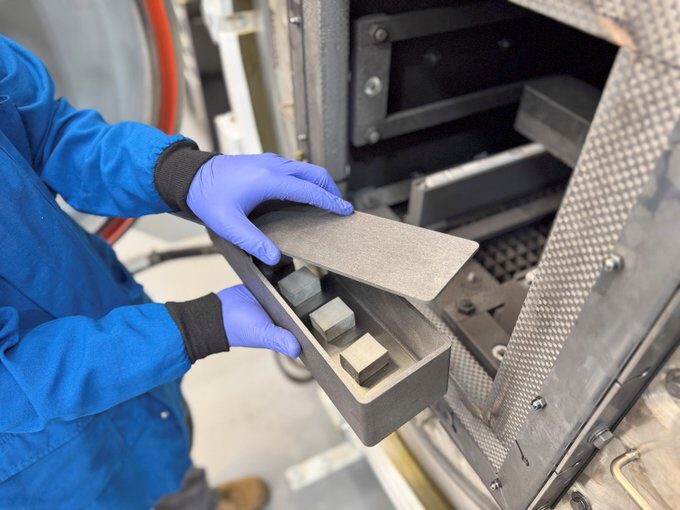
Notably, TAV VACUUM FURNACES recently completed an impressive installation within the only vertically integrated plant in the USA for rare earth mining and production.
This integration, encompassing the entire value chain from mining to finished products, is a significant step towards ensuring a secure domestic supply of these critical materials. By controlling each stage of the process, our customer can ensure quality, reduce reliance on foreign processing, and contribute significantly to the strategic goals of the United States.
Vacuum furnaces play a crucial aspect of the rare earth value chain and the production of high-performance permanent magnets.
made from Neodymium (Nd), Iron (Fe) and Boron (B) or Samarium (Sm) and Cobalt (Co), are essential components in electric vehicle motors, wind turbine generators, and various other high-tech applications.
The manufacturing of these advanced magnets often involves sophisticated thermal processing techniques, including annealing and sintering in vacuum furnaces. Vacuum furnaces provide a controlled, oxygen-free environment that is critical for achieving the desired microstructures and magnetic properties in rare earth magnets.
- Sintering: This process involves compacting fine rare earth alloy powders and heating them to a high temperature below their melting point. In the vacuum furnace, the powder particles bond together to form a dense, solid magnet with enhanced magnetic performance. The absence of oxygen during sintering is crucial for preventing the formation of undesirable oxides that can degrade magnetic properties.
- Annealing: This heat treatment process is used for smoothing grain boundaries in order to decouple the magnetic domains in two adjacent grains. Additionally, a lower temperature annealing step is required to relieve internal stresses in the sintered magnets and maximize coercive force.
The use of advanced vacuum furnace technology by key players underscores the commitment to producing high-quality rare earth magnets that meet the demanding requirements of modern industries.
The Political and Commercial War: A Quest for Resource Security
The strategic importance of rare earth materials has firmly placed them at the center of a growing political and commercial war.
The United States and Europe are actively pursuing strategies to reduce their dependence on China, including:
- Investing in domestic mining and processing capabilities: Initiatives are underway to revitalize rare earth mining and processing within their borders and in allied nations.
- Diversifying sourcing: Efforts are being made to identify and develop alternative sources of rare earth elements from other countries.
- Recycling: extracting REE from old permanents magnets, such as electronic devices, through physical separation or various chemical leaching and purification processes to recover the rare earth oxides or metals.
- Promoting research and development: Investments in research aim to find substitutes for rare earth elements in certain applications and to develop more efficient extraction and recycling technologies.
- Establishing strategic alliances: Collaborations with like-minded nations are being forged to create more resilient and diversified supply chains.
The outcome of this global competition for rare earth dominance will have significant implications for technological leadership, economic competitiveness, and national security in the years to come.”




The first ordered device is the 50 kg VIM induction furnace. Castings in an equiaxed structure will be produced in it. The furnace is unique due to its maximally high degree of automation. It is one of the most frequently chosen solutions in the field of vacuum metallurgy due to its innovation, reliability, and process repeatability thanks to a modern recipe system. It is distinguished by modern control systems and precise alloy additive feeding systems. Various metals can be processed in vacuum metallurgy furnaces, such as titanium and its alloys, silicon, nickel, or cobalt alloys.
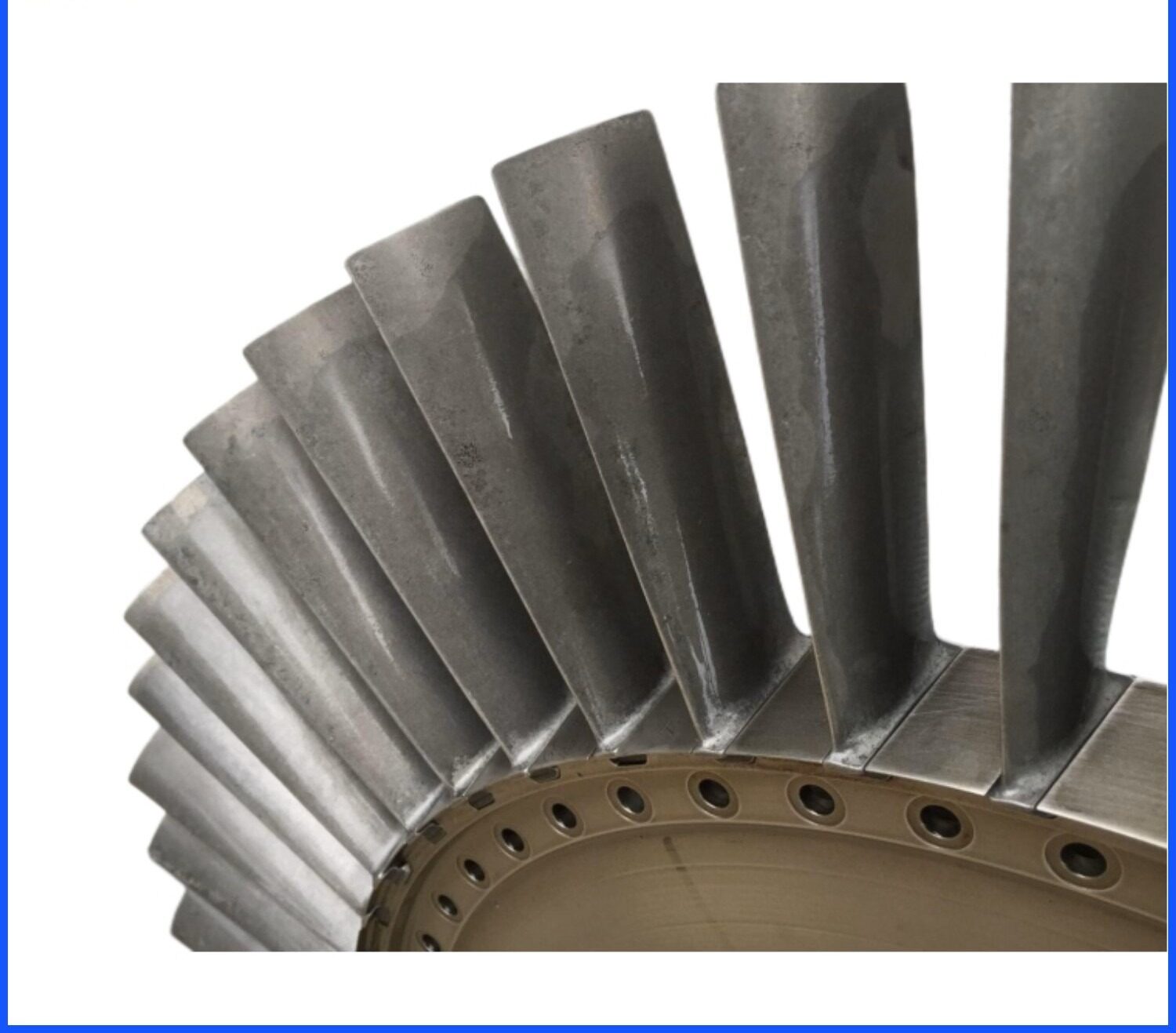
The second furnace is the JetCaster VIM DGCC, used to produce high-quality precision turbine blade castings in the aerospace and energy industries. The crystallization method is enhanced by the injection of cooling gas, which improves the casting structure and shortens the overall process time.

The furnace is characterized by a modular design and easy adaptation to different casting mold geometries thanks to solutions such as automatic thermal barrier exchange, interchangeable melting containers adapted to different charge sizes, and the ability to easily configure the gas blow system.
“The growing popularity of VIM furnaces and the increasing importance of vacuum metallurgy are, among other things, a consequence of the constantly changing production needs of heavy industries. We see a significant increase in demand for products from this segment throughout Asia. Thanks to the cooperation of our companies within the SECO/WARWICK Group, we can deliver induction furnaces worldwide. An essential aspect is also our reliable service. According to recent research, as many as 98% of our customers recommend SECO/WARWICK’s after-sales services,”- said Liu Yedong, Managing Director of SECO/WARWICK China.”
Did you like this article? Click here to subscribe to The Monty.
View our recent magazines and podcasts by clicking the following link. https://themonty.com/magazine/

To go with this press release we have this photo taken at the HK 2024 Heat Treat Exhibition in Cologne, Germany October of 2024. We see (from the left) Gord Montgomery, Natasha Rohde, Joern Rohde and in the front row Konstantine Rohde.
“In a historic move, Natasha Rohde was elected with a large majority as the new president of the Chamber of Industry and Commerce (IHK) Hanau-Gelnhausen-Schlüchtern on May 8, 2025. She is the first woman to hold this position since the IHK’s founding in 1871, marking a significant and forward-looking step for both the chamber and the regional economy.(source: Osthessen-Zeitung)
Rohde, an entrepreneur and mother of two sons, co-manages the Hanau-based family business Rohde Schutzgasöfen GmbH with her husband. The medium-sized company, now in its second generation, develops thermotechnical heat treatment systems with a team of 30 employees, marketing them internationally.
“Engagement is important to me, not just within my own company,” said Rohde. In addition to her involvement with the IHK, she serves on the supervisory board of the Martin Luther Foundation in Hanau and is actively engaged in the Alliance for Families in Hanau.
The election followed the resignation of former IHK President Oliver Naumann, who stepped down due to an insolvency proceeding under self-administration involving his company, Druck- und Pressehaus Naumann in Gelnhausen. Naumann expressed that he had always served as president with dedication and humility, aiming to benefit the region’s economy.(source: Gelnhäuser Neue Zeitung)
Rohde assumes her new role with immediate effect and expressed her gratitude for the trust placed in her. She emphasized her commitment to actively shaping the challenges of the coming years and representing the interests of the regional economy to the best of her abiliry. (source: Gelnhäuser Neue Zeitung)”
Did you like this article? Click here to subscribe to The Monty.
View our recent magazines and podcasts by clicking the following link. https://themonty.com/magazine/


Solar Manufacturing recently shipped a replacement Ipsen VFC-924 hot zone to a prominent U.S.-based global aerospace company. This customer performs thermal processing on a variety of critical aerospace components used across multiple aircraft platforms.
John Hahn, Aftermarket Sales Manager at Solar Manufacturing, noted: “The customer awarded us this order because we delivered the most effective solution to meet their vacuum furnace requirements. They trusted our engineering and service teams to design and build a hot zone with key modifications that would enhance performance and longevity.”
Following receipt of the purchase order, Solar’s engineers quickly began implementing improvements to boost hot zone efficiency, serviceability, and lifespan. The enhanced features include:
- Universal door hinge for interchangeable left/right-hand swing
- Maintenance-friendly power feed-throughs
- Graphite felt insulation for superior thermal efficiency
- CFC 0.050” hot face in place of Flexshield for increased durability
- CFC edge trim throughout (door, bottom, and top bung) to extend hot zone life
These upgrades reflect Solar Manufacturing’s commitment to supporting aerospace manufacturers with advanced vacuum furnace solutions tailored to long-term performance and reliability.
Solar Manufacturing designs and manufactures a wide variety of vacuum heat treating furnaces. We also offer replacement hot zones, spare parts, rebuilds, and professional service. To learn more about how Solar Manufacturing can improve your 924 hot zone or another competitor’s hot zone, contact John Hahn, Aftermarket Sales Manager, at 267-384-5040 x1545, or via email [email protected] or visit us at solarmfg.com.