Mr. Ben Grammer
Grammer Vacuum Technologies
We are very pleased to be speaking today with Mr. Ben Grammer of Grammer Vacuum Technologies (GVT) of Coeur d’Alene, Idaho, USA. Ben and his father Bob have spent their entire lives in the heat treatment industry, a large part of which has centered around “Moly” (Molybdenum). Ben I appreciate the time today.

As with all creation, it is enjoyable to discover and study and…well really to revel in the materials we have been given. Molybdenum is not well-known, so it makes a fun study. The name derives from the Greek molybdos, meaning “lead” which is understandable given its grey color and high density. Molybdenum is a metal, and an element with the prestigious (among nerds) atomic number of 42. We get it mainly as a by-product of copper mining. It is a trace element in our bodies, important for processing proteins and DNA and breaking down toxic substances. It is also important for plant growth—some lands are barren if they don’t have enough molybdenum. Its largest use is alloying structural steels…but we deal with the tiny fraction of moly used for high temperature furnace components.
Ben some time back you spoke with us about “Grammer Vacuum Technologies” and the role it plays in the North American heat treat industry, particularly in the Northwest. Today I would like to be more specific and talk about the “Moly” portion of your business. I have been a little vague when I say “moly” business, perhaps you could tell us what you offer and how it evolved.
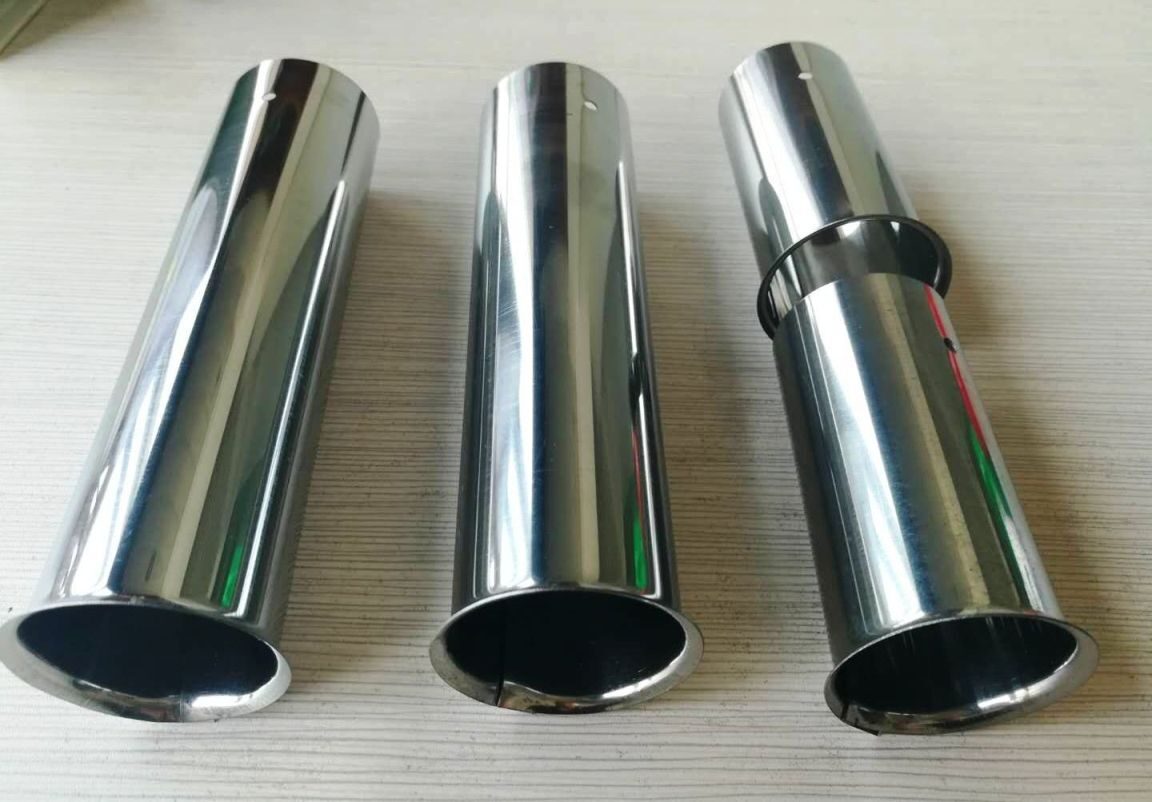
Chances are that all or virtually all of our readers with any involvement at all with vacuum heat treating will know what “Moly” is and why it is used. However the atmosphere guys might not be as familiar with this exotic material. Could you tell us why “moly” is used in the industry?
Gord, when I say, “I sell moly” many don’t know how to respond, for sure! It has a melting point of 4753°F, so it retains its strength at temperatures where stainless steels cannot go…as long as it is under vacuum or a clean protective atmosphere. It doesn’t mix with air when heated above a few hundred degrees. Or rather, it mixes too well.
So why is it used? The strength at high temperatures leads to use in load-bearing applications. An advantage moly has over graphite is that moly is not porous—does not absorb moisture and other vacuum contaminants like graphite does. So it is used when a cleaner vacuum atmosphere is needed. And where is it used? Fixtures? Heating elements? Hot Zones?
Hearth posts and hearth bars are often moly. Heating elements too, even in furnaces where the remainder of the hot zone is graphite. All-metal hot zones are rare in comparison to graphite hot zones, but still numerous nonetheless. The heat shields, element retainers, and other hot zone parts are often moly in these furnaces.
Moly fixtures, such as single or multi-level grids, can be used to attain a higher temperature than stainless alloy grids—stainless is not often used above 2000°F, where moly grids excel. Moly like cast materials does see reduced strength at higher temperatures. As an example TZM at 3000F has 25% of the strength that it has at 2000F.
Life. All heat treaters are well aware of the fact that alloy components and fixturing have a definite life span which is usually measured in terms of 5 years or less depending upon temperature, atmosphere and a few other factors. What is an expected life span for “moly” components?
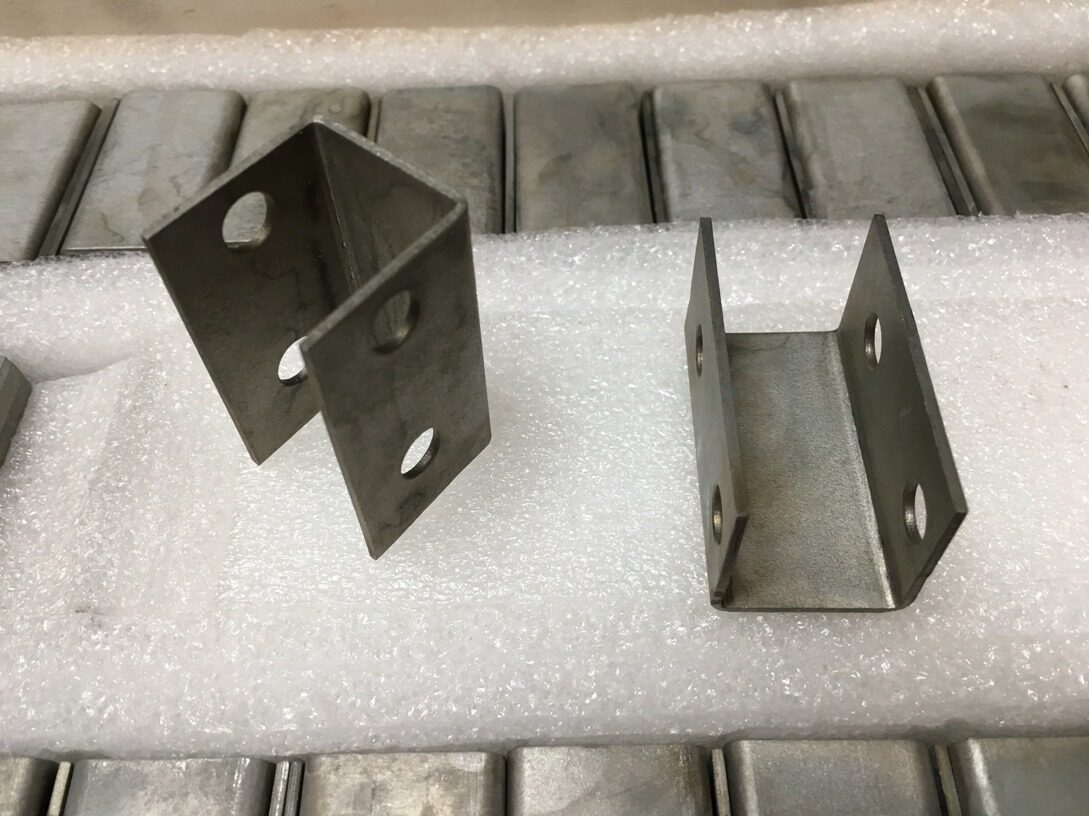
The advantages are obvious but there is one drawback and that of course would be cost. How are users able to justify using this material?
Yes, moly can be expensive—but many find that we have very competitive pricing. With good pricing and extended component life by using the right material for the right process, moly and its alloys are often justified.
Is the use of this material increasing?
Hard to know. In our experience the demand for moly furnace components is growing.
Over the years I have seen several examples of grids and fixtures provided by “GVT”-do you design and build yourselves? Is this a large portion of your business?

Price, Quality, Delivery-what are buyers most concerned with? Along the same lines what is a typical delivery for you? Do you maintain a large inventory?
Delivery is key for many of our customers, and to that end the inventory is large and ever growing in types and volumes. Same-day shipping is a regular need, and we work to provide even custom machining as quickly as possible to meet the demands of emergency furnace maintenance. We do have some standard grid sizes in inventory, and often provide custom fixtures from inventory materials within a week or two. We also typically have no minimum order quantities—we will ship a single hex nut if that is what you need.
Thanks for having me, Gord! If you or others have any questions about moly, I am always happy to help.
