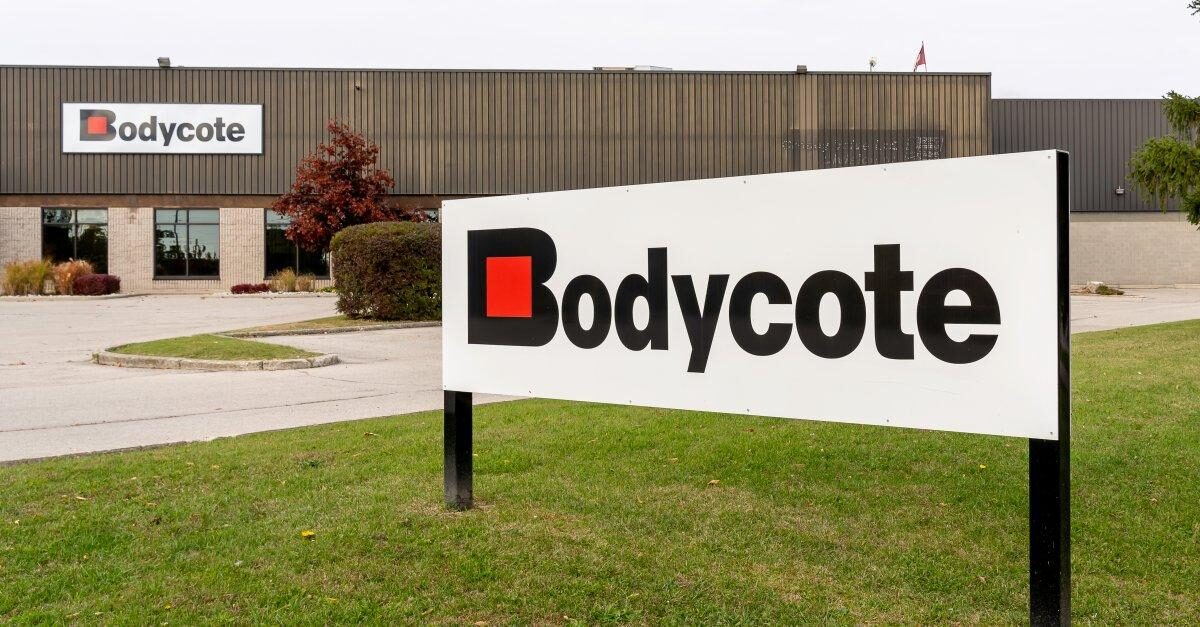
“Bodycote, the world’s largest thermal processing services provider, has begun production for its previously reported expansion of Hot Isostatic Pressing (HIP) services in Greenville, South Carolina, USA.
In recognition of the growing market for additive manufacturing and the associated need for high-quality HIP processing, Bodycote commissioned additional HIP capacity to service the development and processing of advanced materials. Bodycote’s Greenville, SC plant is a Nadcap-accredited site and holds several core OEM approvals.
The site consists of numerous vacuum furnaces, aluminum heat treatment, EDM, and other capabilities well suited to support additive manufacturing customers. The Greenville site serves the aerospace, defense, power generation, medical and general industrial customers throughout the Southeastern region. With Greenville’s additional HIP capacity now in full production, Bodycote addresses the rising customer demand for highly reliable additive manufacturing post-processing.
The capacity is well situated near key customers and other Bodycote locations to simplify the supply chain and reduce transportation. This continued investment is part of Bodycote’s commitment to align resources to serve the North American market. Bodycote operates the world’s largest network of HIP equipment. Having established industry expertise over decades, Bodycote has more than 50 HIP vessels of varying sizes in multiple locations. Processing capability can accommodate components nominally up to 6.5ft in diameter by 12ft high, and weighing over 30,000kg.”
Did you like this article? Click here to subscribe to The Monty.
View our recent magazines and podcasts by clicking the following link. https://themonty.com/magazine/


 Supplier Named in Faulty Heat Treating of Ball Studs; Recently “The Monty Heat Treat News” posted a news item entitled “Experimental Heat Treatment Leads to Recall” https://themonty.com/experimental-heat-treatment-leads-to-recall/ While it served as yet another reminder of how important heat treating is to the manufacturing process it was rather short on details. This update provides some more information and identifies the supplier involved. The complete story can be found at “Trucking Info” https://www.truckinginfo.com/10225435/recall-nearly-8-000-paccar-and-navistar-trucks-may-have-steering-defect





-
Supplier Named in Faulty Heat Treating of Ball Studs
-
Bodycote Greenville (SC) Launches New HIP Facility
-
Barnes Group Installing Heat Treat Department at Swedish Facility
-
World’s Largest Single Location Commercial Heat Treater
-
New Hot Isostatic Press Order?
-
Surface Combustion Exothermic generator https://themonty.com/project/item-g214-exothermic-gas-generator/
-
“Like new” 2 Bar quenching vacuum furnace https://themonty.com/project/item-vf445-2-bar-vac-aero-vacuum-furnace-23w-x-18h-x-36l/
-
Roller hearth gear hardening line with press quench https://themonty.com/project/itemc411-roller-hearth-gear-hardening-line-with-fixture-quenching/
-
Car Bottom Tip Up Annealing Furnace https://themonty.com/equipment/item-b492-car-bottom-tip-up-annealing-furnace/

We are very pleased to be speaking today with Mr. Ben Grammer of Grammer Vacuum Technologies (GVT) of Coeur d’Alene, Idaho, USA. Ben and his father Bob have spent their entire lives in the heat treatment industry, a large part of which has centered around “Moly” (Molybdenum). Ben I appreciate the time today.

As with all creation, it is enjoyable to discover and study and…well really to revel in the materials we have been given. Molybdenum is not well-known, so it makes a fun study. The name derives from the Greek molybdos, meaning “lead” which is understandable given its grey color and high density. Molybdenum is a metal, and an element with the prestigious (among nerds) atomic number of 42. We get it mainly as a by-product of copper mining. It is a trace element in our bodies, important for processing proteins and DNA and breaking down toxic substances. It is also important for plant growth—some lands are barren if they don’t have enough molybdenum. Its largest use is alloying structural steels…but we deal with the tiny fraction of moly used for high temperature furnace components.
Ben some time back you spoke with us about “Grammer Vacuum Technologies” and the role it plays in the North American heat treat industry, particularly in the Northwest. Today I would like to be more specific and talk about the “Moly” portion of your business. I have been a little vague when I say “moly” business, perhaps you could tell us what you offer and how it evolved.
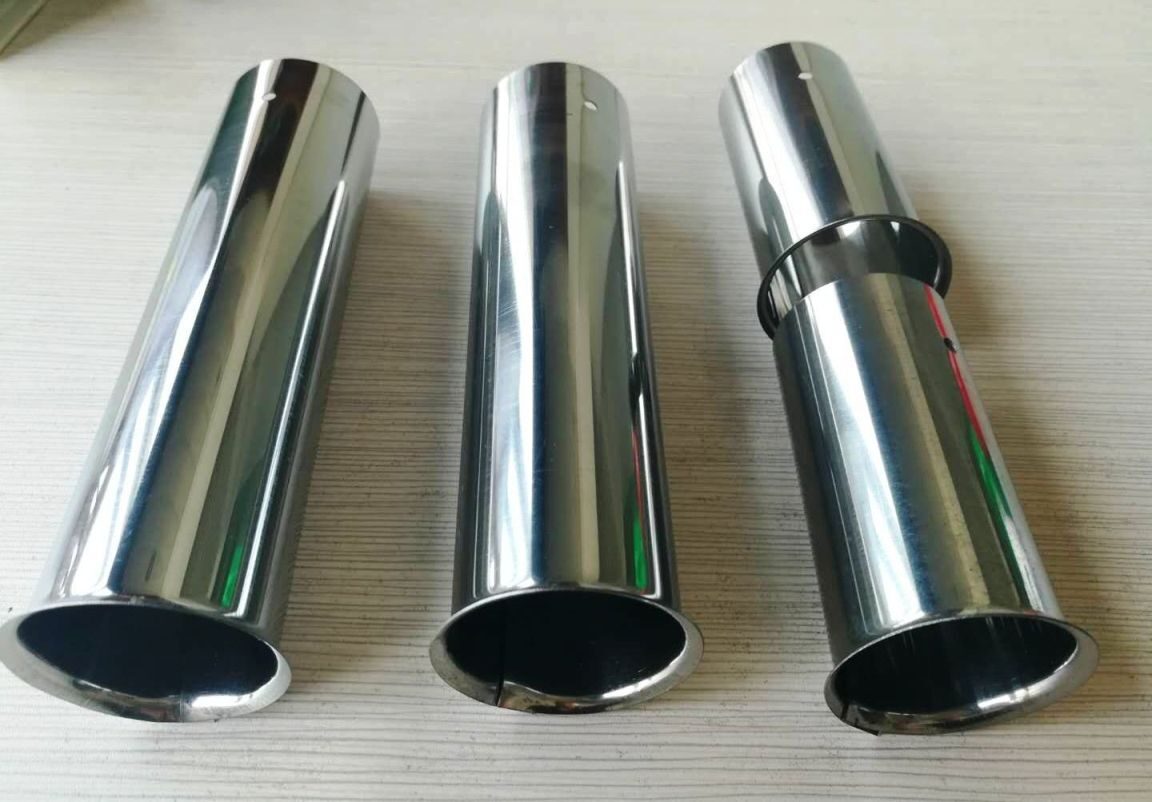
Chances are that all or virtually all of our readers with any involvement at all with vacuum heat treating will know what “Moly” is and why it is used. However the atmosphere guys might not be as familiar with this exotic material. Could you tell us why “moly” is used in the industry?
Gord, when I say, “I sell moly” many don’t know how to respond, for sure! It has a melting point of 4753°F, so it retains its strength at temperatures where stainless steels cannot go…as long as it is under vacuum or a clean protective atmosphere. It doesn’t mix with air when heated above a few hundred degrees. Or rather, it mixes too well.
So why is it used? The strength at high temperatures leads to use in load-bearing applications. An advantage moly has over graphite is that moly is not porous—does not absorb moisture and other vacuum contaminants like graphite does. So it is used when a cleaner vacuum atmosphere is needed. And where is it used? Fixtures? Heating elements? Hot Zones?
Hearth posts and hearth bars are often moly. Heating elements too, even in furnaces where the remainder of the hot zone is graphite. All-metal hot zones are rare in comparison to graphite hot zones, but still numerous nonetheless. The heat shields, element retainers, and other hot zone parts are often moly in these furnaces.
Moly fixtures, such as single or multi-level grids, can be used to attain a higher temperature than stainless alloy grids—stainless is not often used above 2000°F, where moly grids excel. Moly like cast materials does see reduced strength at higher temperatures. As an example TZM at 3000F has 25% of the strength that it has at 2000F.
Life. All heat treaters are well aware of the fact that alloy components and fixturing have a definite life span which is usually measured in terms of 5 years or less depending upon temperature, atmosphere and a few other factors. What is an expected life span for “moly” components?
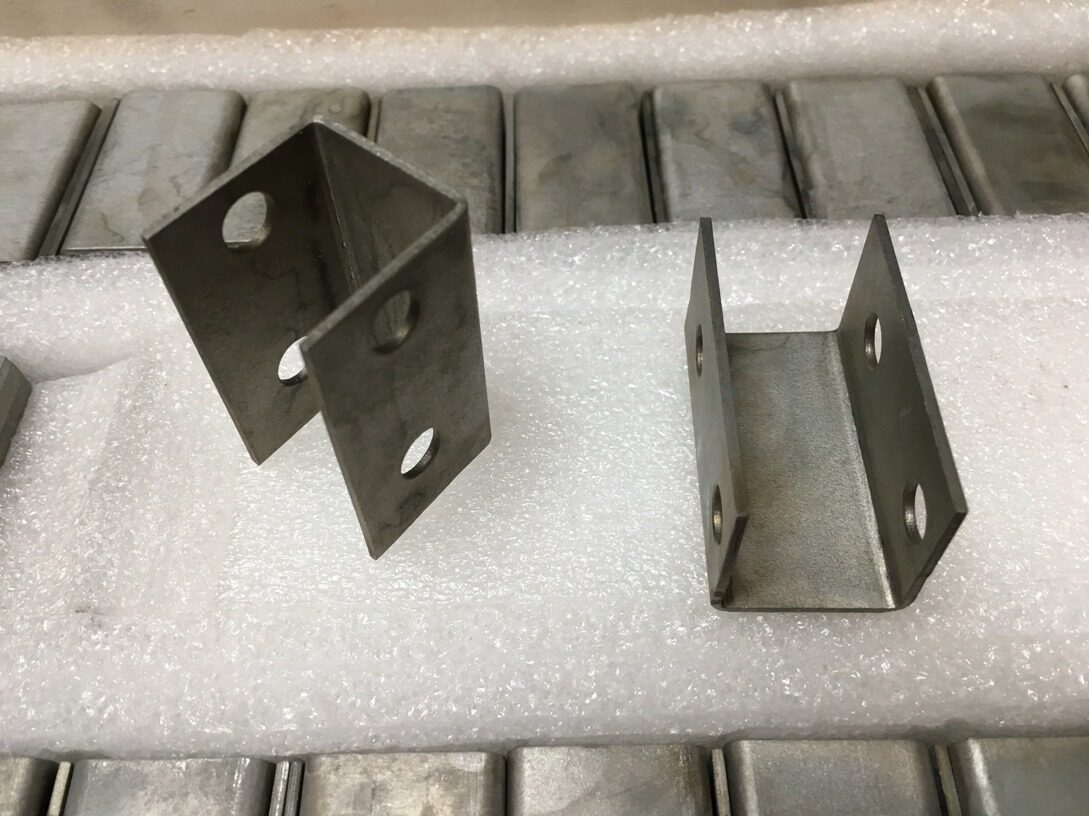
The advantages are obvious but there is one drawback and that of course would be cost. How are users able to justify using this material?
Yes, moly can be expensive—but many find that we have very competitive pricing. With good pricing and extended component life by using the right material for the right process, moly and its alloys are often justified.
Is the use of this material increasing?
Hard to know. In our experience the demand for moly furnace components is growing.
Over the years I have seen several examples of grids and fixtures provided by “GVT”-do you design and build yourselves? Is this a large portion of your business?

Price, Quality, Delivery-what are buyers most concerned with? Along the same lines what is a typical delivery for you? Do you maintain a large inventory?
Delivery is key for many of our customers, and to that end the inventory is large and ever growing in types and volumes. Same-day shipping is a regular need, and we work to provide even custom machining as quickly as possible to meet the demands of emergency furnace maintenance. We do have some standard grid sizes in inventory, and often provide custom fixtures from inventory materials within a week or two. We also typically have no minimum order quantities—we will ship a single hex nut if that is what you need.
Thanks for having me, Gord! If you or others have any questions about moly, I am always happy to help.
“Every day the clock of change is ticking. Customer demands, safety and compliance requirements, and maximizing throughput with labor shortages are all pressing every heat treater’s operations. And the pace of change isn’t going to slow down. It’s just going to get faster. The question is, “What do you do?”
In 2024, your #1 step is to attend Furnaces North America 2024 (FNA 2024) on October 14-16 in Columbus, OH. At FNA 2024, you will be able to put focused time on talking with over 150 top suppliers in one room on the solutions you need to maximize your operations and improve efficiencies. You will also connect with top executives during 35 technical sessions to discover new ideas to your everyday challenges.
FNA 2024 produced by the Metal Treating Institute in collaboration with Heat Treat Today as its exclusive media partner, stands as the epitome of heat treating events in North America. Its attraction lies in drawing a diverse and influential crowd, including the largest number of decision-makers, buyers and top-tier executives from across the globe, for an intensive three-day summit.
Anticipated to captivate attendees from over 40 states and 10 countries, including representatives from Fortune 500 companies, FNA 2024 is more than an event; it’s a nexus for networking, forging connections, and a deep dive into the revolutionary shifts in technologies, market trends, and equipment innovations in the heat treating sphere.
In an era marked by rapid economic changes, demographic shifts, artificial intelligence, emerging technologies, labor shortages, plant automation, and evolving consumer behaviors, both commercial and captive heat treat plants find FNA 2024 indispensable. It’s not just an event; it’s a solution hub for the most pressing challenges in heat treat operations, offering insights through technical sessions, supplier interactions, and diverse social events. FNA 2024 is structured around three dynamic elements:
- Learning that LASTS: The technical conference at FNA 2024, curated by industry experts, boasts 35 pivotal sessions across over 10 tracks. Topics span productivity, data, processes, equipment, standards, pyrometry, controls, materials, maintenance, emerging technologies, and business strategies in heat treating. CLICK HERE to view technical sessions.
- Business that CONNECTS: The trade show is the heartbeat of FNA, featuring over 150 leading suppliers in the heat treating realm. It’s a fertile ground for attendees to meet face-to-face with industry leaders, understand current challenges, and explore innovative solutions. It’s an unmissable opportunity for key management teams to acquaint themselves with future trends and technologies. CLICK HERE to exhibitor list.
- Networking is KING: FNA’s social events are engineered to foster meaningful interactions amongst attendees. Beyond the trade show and conference, these gatherings are a platform for sharing experiences, discussing new ideas, and forging lasting connections, all in a more relaxed and personal setting.
An electrifying addition to FNA 2024 is a trade show floor reception featuring a thrilling drawing, giving one fortunate attendee the chance to win big in an engaging game, where they will win either $500, $1,000 or $100,000!
FNA 2024 is not just an event; it’s a cornerstone for driving success in your plant from top to bottom. FNA 2024 takes place in Columbus, Ohio, from October 14-16, it promises to be an enlightening and enriching experience for all who attend.
Take a sneak peek of FNA 2024 and what attendees have to say: CLICK HERE.
Don’t delay on registering. FNA’s early bird special for registration ends August 15. For full details and to register and book your hotel room, if needed, visit www.FurnacesNorthAmerica.com.
Embrace this chance to shape the future of your operations at FNA 2024!
Did you like this article? Click here to subscribe to The Monty.
View our recent magazines and podcasts by clicking the following link. https://themonty.com/magazine/
