The April 2025 edition of “The Monty Heat Treats News” has almost 100 pages of the most up to date news and trends from the North American and European heat treatment markets. Some of our top stories include these include these from the USA, Italy and Slovenia;
“The Heat Treat Podcast” speaks with “Mr. Steve Kowalski” of “Kowalski Heat Treating” in Cleveland, Ohio
[http://Lamborghini Gear Supplier Brings Heat Treatment in House]”Lamborghini Gear Supplier Brings Heat Treatment in House”
The April 2025 edition also includes a host of recently added, “Good Quality Heat Treat Furnaces” available at what are almost historically low prices. A few examples include these;
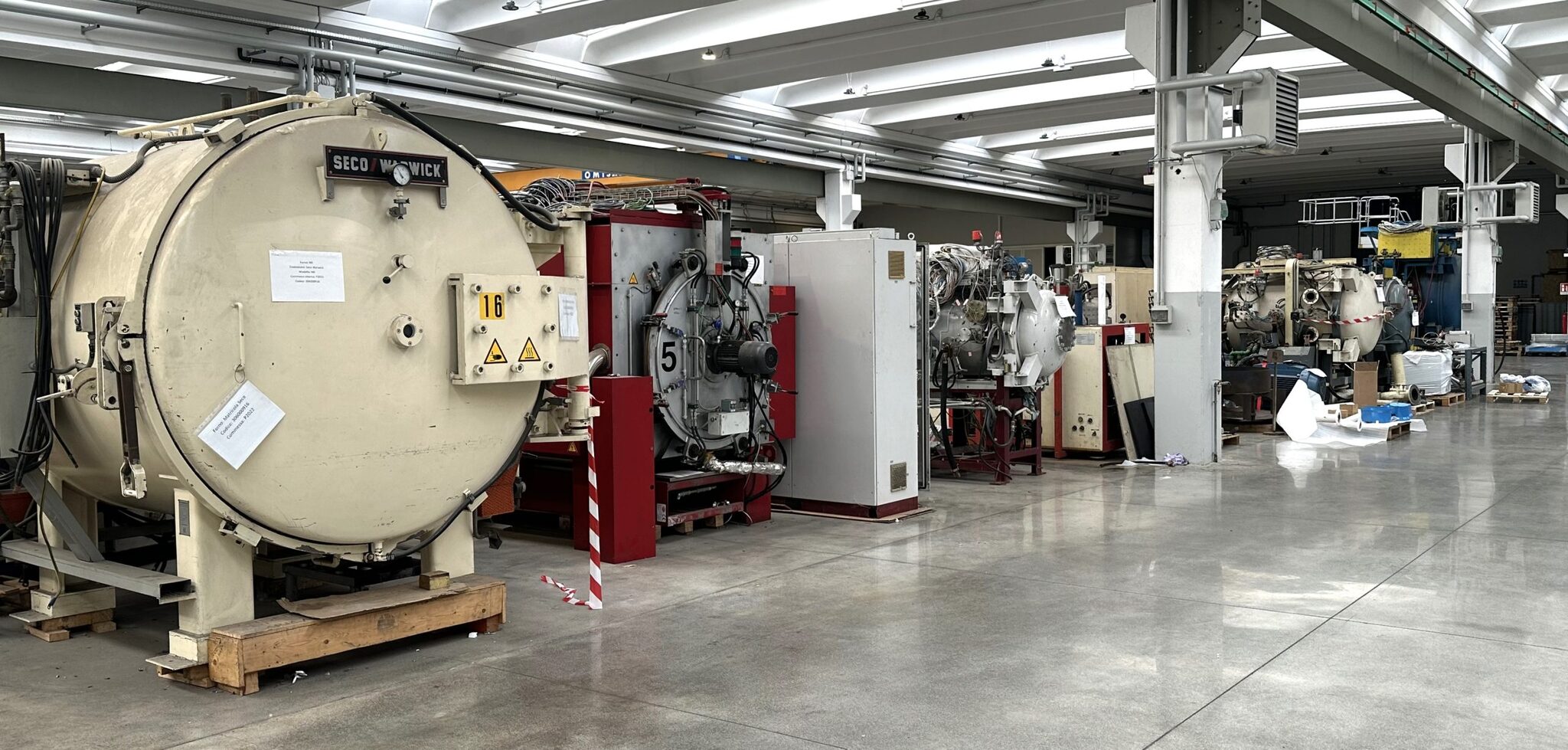
“TAVENGINEERING” is also located in the Italian city of Caravaggio, literally directly across the street from “TAV”. Since 1999 the firm has been offering pretty much everything required by the vacuum heat treatment industry including;
Vacuum furnace installation, start up, repairs and rebuilds for all brands
Temperature Uniformity Surveys
New hot zones-the company produces 50-60 per year
Complete rebuilds of vacuum furnaces
Control upgrades
The 50 employees of the company are very proud of what they do and feel that they are one of the largest vacuum furnace servicing companies in the world which means that yes, they work most places in the world. Locations include this one and a smaller operation in France.
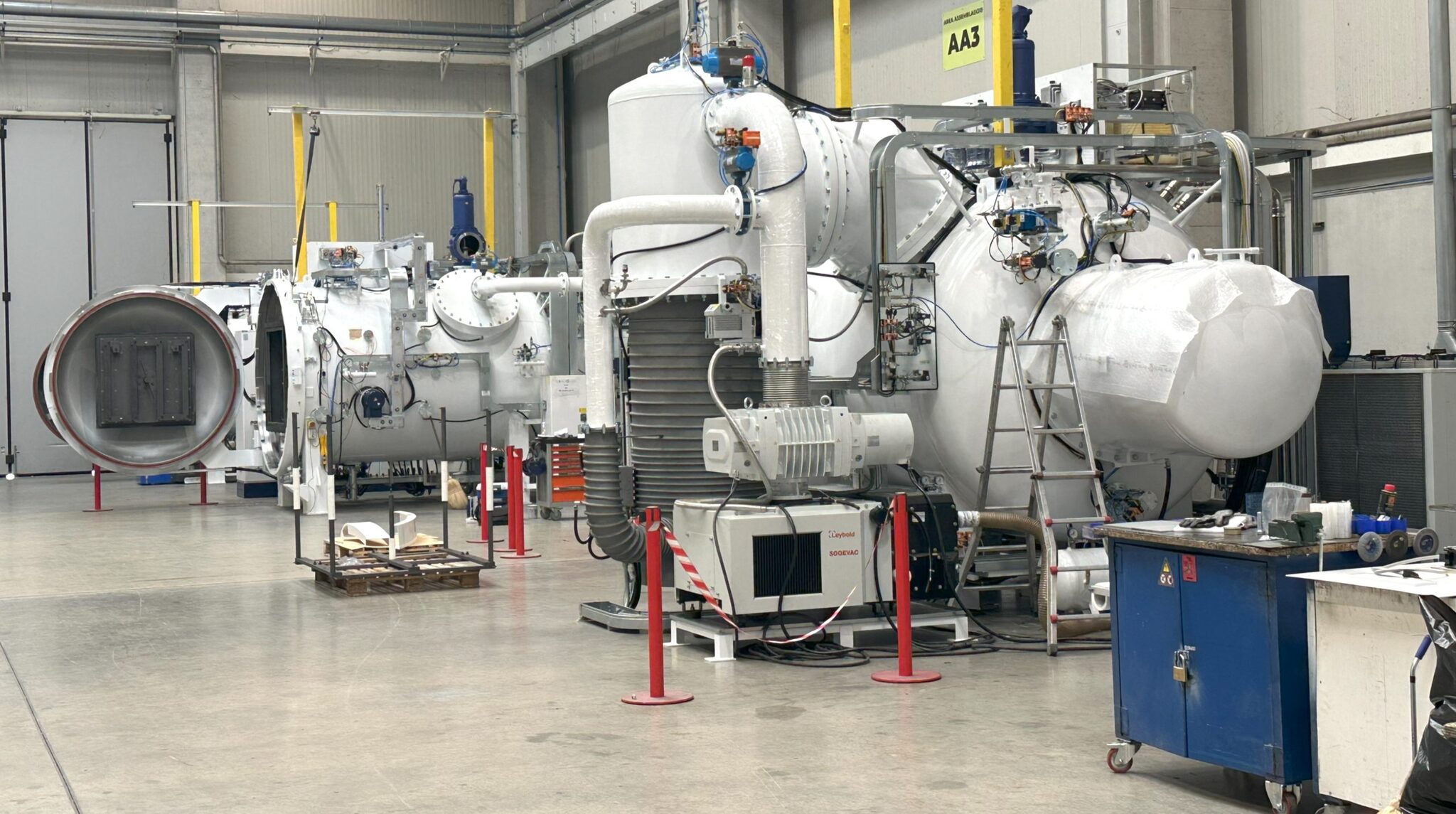
One aspect of the firm which caught our attention is the number of furnaces available for rebuild. During our visit we saw roughly 20 vacuum furnaces of all makes and styles available for rebuilding, rebuilding so the furnace is in a like new condition with a full warrantee.
This visit took place March 10 and our very hospitable hosts included; Roberto Gaspani, General Manager, Michele Baretti, Production Manager, Marco Baretti, TAV Sales Area Manager
Did you like this article? Click here to subscribe to The Monty.
Left to Right; Roberto Gaspani, General Manager, Michele Baretti, Production Manager, Marco Baretti, TAV Sales Area Manager
The Mexico heat treatment industry has a new vacuum furnace supplier entity – ECM Mexico, doing business as MEXVAC ECM, S.A. DE C.V., a subsidiary of ECM USA, Inc. The ECM Mexico team, consisting of Juan Cruz (Operations Manager Mexico), José López (Field Service & PLC Engineer), led by Pierre-Loic Rousset and Dennis Beauchesne, and supported by the entire ECM USA team, is excited to announce this milestone in their continued dedication to expand service support in Mexico.
About ECM Technologies ECM Technologies is an innovative low pressurevacuumfurnacemanufacturerwith in Grenoble, France. With subsidiaries and ventures around the world,including ECM USA located in Pleasant Prairie, Wisconsin USA. ECM’s global presence is well known in the automotive, aerospace, nuclear, energy, electronic, induction and 3D additive industries. With such versatile product lines and service capabilities, ECM is the ideal furnace system supplier for heat treatment processes ranging from rapid thermalprocessing(RTP) to low pressure vacuum carburizing (LPC). Our service capabilities include advanced automation, robotics, after sales, spare parts, on-site training and more. For more information, visit us online at www.ecm-usa.com or www.ecm-furnaces.com.
Did you like this article? Click here to subscribe to The Monty.
Today our handsome and eloquent host “Mr. Carlos Torres” talks with a heat treat industry legend, “Mr. Don Longenette”. Don brings a lifetime of experience into his discussion about heat treat retrofits, upgrades and the importance of training the next generation.
Did you like this article? Click here to subscribe to The Monty.
Once a quarter, Managing Recruiter, Josh Hale and/or Sr. Recruiter, Jessica Maier, will address questions that come up regularly from industry professionals (email questions for future editions to [email protected]). Recently, Josh and Jessica have been approached by several people with inquiries about embarking on a job search, so this quarter they’ll tackle a question that comes up often for people in stage of their career:
How can I craft a strong resume that will improve my odds of getting noticed and landing an interview when starting a job hunt?
If you work in heat treating, or any heavy industrial manufacturing sector for that matter, and are looking for new employment, having a well-structured resume can significantly improve your chances of landing a great opportunity. After 20+ years of recruiting and hiring in this space, here are our top five tips to optimize the formatting of your resume:
Keep It Clear and Concise. It used to be a hard-and-fast rule to keep your resume to one page, but that was because when hiring managers were reading hard copies, it was hard to track multiple pages or papers would get caught up on staples. In today’s digital age, that’s no longer a strict requirement, but a resume should still never be more than two pages lest you lose the reader’s attention. Speaking of, it’s important to remember that your resume is likely being viewed on a computer screen, so be sure to use a clear, easy-to-read font (Arial, Calibri, or Times New Roman are best) and don’t bother with anything too “fancy” like monograms, multicolored fonts, tables, etc.
Highlight Relevant Experience. Always start with your most recent job and work backward (reverse chronological order) and list job titles, company names, employment dates, and a brief description of your responsibilities with an emphasis on measurable achievements (e.g., “Increased production efficiency by 15% through process optimization…”).
Showcase Skills and Certifications. You want to include both technical skills (e.g., CNC operation, welding, machine maintenance) and soft skills (e.g., teamwork, problem-solving) while also highlighting any notable certifications (e.g., OSHA safety certification, Six Sigma, forklift operation, etc.) to stand out, but be careful about being too thorough here – try and keep it to 6-8 bullet points that are pertinent to your job specs.
Include Education and Training. List relevant degrees, apprenticeships, and training programs. Even if you haven’t completed certain schooling or earned a diploma, it’s good to mention any ongoing education or professional development courses that you’ve partially completed.
Use Industry Keywords. You want to avoid any particularly narrow jargon, but using industry-centric language is a great way to indicate your knowledge of the company’s core business. Additionally, many companies now use applicant tracking systems (ATS) to filter resumes, so using keywords can help increase your visibility.
BONUS – don’t forget your online profile! As our resident Millennial grew up online, Jessica reminds us that in 2025 it’s not just your resume that will get you noticed, but your LinkedIn profile is crucial as well. To maximize your virtual presence, be sure you:
Have a professional profile pic.
Use a strong headline and summary.
List out detailed and specific work experience (you can copy your resume here).
Utilize the skills and endorsements tools via LI.
Ask for recommendations.
Network and engage by posting to industry groups, asking questions, sharing articles, etc.
Adhere to these tips, and you’ll be sure to increase your chances of standing out in the job market and securing a new position with a great company… and, when you do find yourself looking for your next career move, please always feel free to reach out to ISP directly for a complimentary resume review!
Josh Hale has collaborated with companies to identify, engage, and hire top performers as a professional “headhunter” where he’s focused exclusively on the heat treat industry as part of International Search Partners since acquiring the firm in 2015. He works closely with Jessica Maier to support the practice, and, together, they’ve helped nearly a hundred companies and almost a thousand candidates find the right match within the industry, including for roles such as engineering, sales, quality, metallurgy, management, and more. For additional information on recruiting or job search services, please email [email protected] or call 619-465-9621.
Did you like this article? Click here to subscribe to The Monty.
Friday, March 28th, 2025 we had an article entitled; “More Manufacturers Bringing Heat Treat In-House?”The article by “Mr. Marco Baretti, Sales Area Manager, TAV VACUUM FURNACES SPA” proved to be of a great deal of interest to a number of our readers, as an example on LinkedIn alone it has garnered close to 3,000 views.
As you would expect it did provoke a number of responses generally agreeing with the hypothesis although some individuals weren’t as convinced.
We had a very interesting comment from Mr. Richard Burslem, a longtime metallurgist who has worked with commercial heat treater “Wallwork” in the UK for many years now-his comments are below;
“A very interesting and complex subject Gord, thank you for opening up the discussion. I have been in the metal heat treatment industry over 45 years and find there is no “one size fits all” answer. My experience is that the number of customers shutting their in-house heat treatment far outweighs the number bringing it in house. The main reasons are: cost of running and repairs, loss of skills and increased complexity of the materials to be processed. Contracting out your heat treatment usually makes sense, it is also a highly competitive business so there is a lot of pressure on service and pricing, if you don’t get it right then your competitor will!
Vacuum furnaces ‘feel’ a bit more like manufacturing equipment: no flames, no visible hot metal, no open oil baths and no smoke. Like all heat treatment kit, they are great at doing some jobs and useless at others. You can see the attraction if you have a suitable product to treat. What people seem to gloss over though is the complex nature and high cost of maintenance and special skills required.
As a final thought, we have bought several vacuum furnaces second hand from customers who installed them in their own factories and couldn’t justify them after a few years.”
From Mr. Takis Gardelis, UK Operations Manager (ADE) at Bodycote we have these thoughts;
“This strategy comes under questioning when sustainability parameters are taken into account. As the demand for de-carbonisation will start driving policy more and more and the tax incentives will become credits, I believe these internal investments will not pay dividend. More and more shareholders are pushing for sustainable strategies in order to be convinced to invest their money. Investing in in-house capability of non core activities to save short term cost pressures from the energy sector will not deliver ROI expected. Let’s see what happens the next 5-10 years.”
Did you like this article? Click here to subscribe to The Monty.
We are very excited today to be talking heating elements with “Mr. Steve Bennett”, of “Industrial Furnace Interiors” of Sterling Heights, Michigan, USA. Steve, I understand that you are a family-owned business-as part of a family-owned business myself I have to say that I have a real affinity for other family firms. I get ahead of myself though, let me ask about your history. Perhaps you could tell us about when the company was formed when you started and what significant changes have happened over the years.
“My dad, Clyde Bennett, started IFI in 1982. As a metallurgist who spent his early years in molybdenum and tungsten materials before diving into heating elements, he was convinced he could outperform the competition. I joined full time in 2009, practically born for it. I’ve been making heating elements in the plant since I was a young teenager. With my electrical engineering degree, I brought a fresh angle to his expertise after a decade of experience in semiconductors and automotive electronics.
Back then, we were small: a handful of employees, no real systems, just tackling one job at a time. It worked perfect for low volume. Since joining, I’ve added structure—ERP systems, quality checks at every step—without losing what made us special. All our growth has been by word of mouth, no advertising. I’m sure many companies still don’t know us, but I’m proud we’ve built a solid foundation, and we’re ready to expand.”
During previous conversations you mentioned a new “brand” by the name of “US Element”. How does this brand differ from others you have and where do you intend to go with “US Element”?
“I’ve been dreaming up US Element for 5-6 years, and it’s finally here—starting April 1, all our heating element work will operate under this new brand. It’s a division of IFI, laser-focused on elements. IFI has tackled many heat treating related projects over the years, but we lacked focus. US Element lets us zero in and grow as a dedicated heating element company. We’ve set some new goals: cutting bayonet element lead times to 3-4 weeks, adding expedited options, and expanding our lineup to include some standard options. Check out https://www.uselement.com for more!”
Does everything you do revolve around heating elements? Do you have standard product offerings or are you more “custom”? What I am looking for is a very good summary about what “US Element” has to offer.
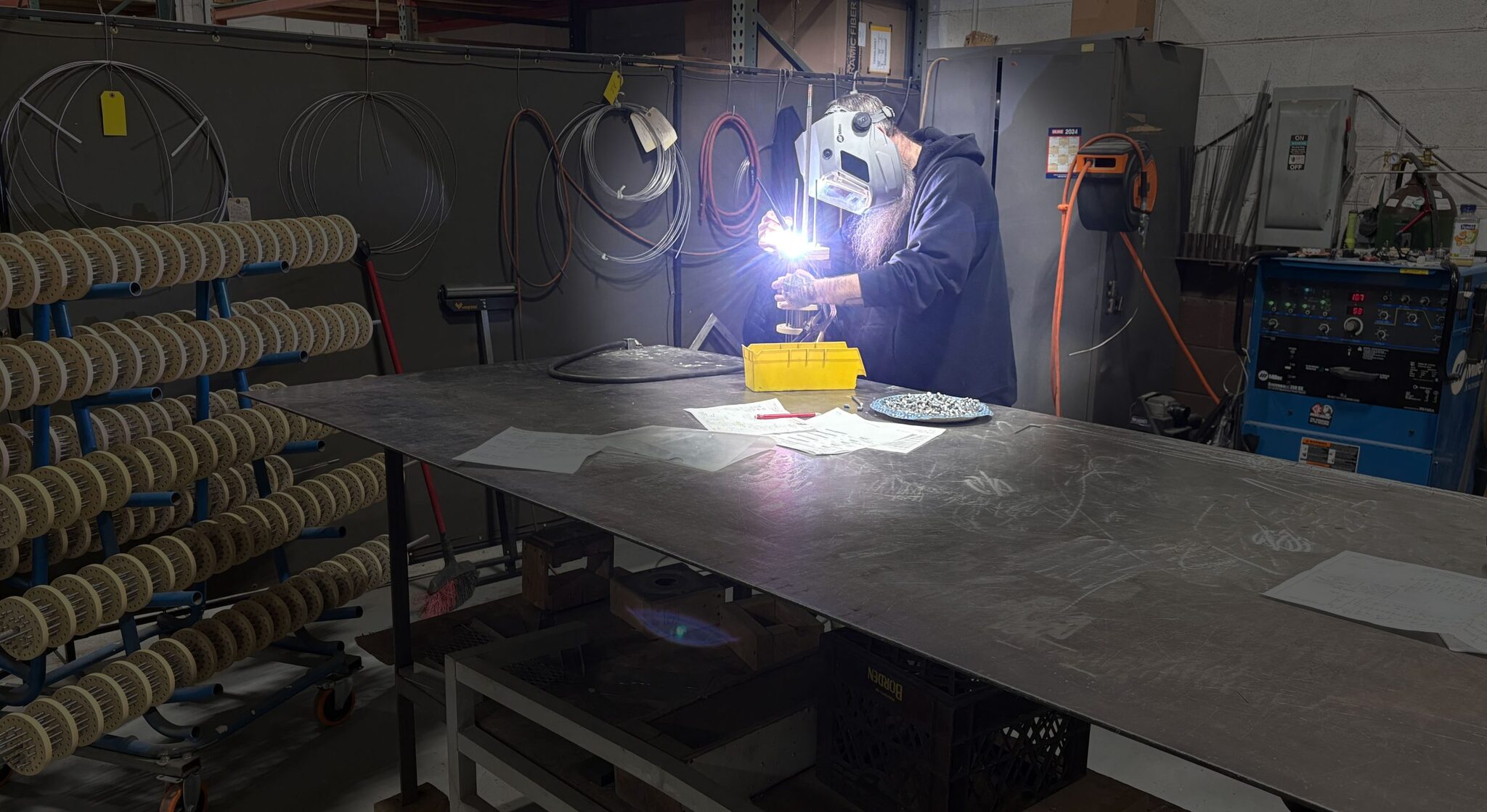
“Pretty much everything we do at US Element ties to heating elements, and historically, it’s all been custom—designed and built to order. We design & build products like bayonet elements and radiant tubes, even full furnace layouts with mounting hardware, all in 3D. But we’re shifting gears a bit. Take our plug heaters: designing them used to take 1-2 weeks. Now, by standardizing sizes, we’re slashing that time and speeding up the process. You can see some of our horizontal plug heaters in the image I shared—and these can be tweaked as needed. We also repair open-coil heaters, saving customers 25-50% compared to new ones. For furnace OEMs, our new semi-standard options mean faster turnarounds right from their design phase.”
I have some technical questions I would like to ask you but before we get into the details there is another question I have to ask; with all this talk about an “energy revolution” and “decarbonization” are you seeing an increase in inquiries? Several furnace builders have suggested to me that they are seeing more inquires about electrically heated equipment as opposed to gas-is this translating into more orders for you?
“Yes, we’re seeing more inquiries, and they’re coming from two angles. First, companies with gas furnace designs are getting pushed by customers to go electric, and we’re guiding them through the switch. Second, folks with existing gas furnaces want to convert to electric, and we’ve successfully completed several of those projects already. Electric can be more efficient—no exhaust means less heat loss—but cramming the same power into tight spaces can be tricky compared to gas. It’s all tied to this decarbonization wave, and it has definitely kept us busy.”
The last question leads into this one-how much of your business is outside of North America? I ask because the percentage of electrically heated furnaces is much higher outside of North America.
“Most of our business is right here in the U.S. We have customers across North America—including Mexico and Canada—thanks to furnace designs that started stateside. We don’t sell directly beyond that, but I’d bet our elements are heating furnaces worldwide through our OEM partners. With electric furnaces being big overseas, it’s cool to think we’re part of that shift indirectly. Who knows, maybe we’ll chase those markets ourselves someday.”
You’re probably not going to like this question because there are so many variables but I will ask it anyway; how long should heating elements last?
“I’d love to provide a number on that, but it’s not realistic. Every process is different – atmosphere, temperature profile, runtime, byproducts, etc. – they all affect lifespan. And modeling each specific case would be cost prohibitive.
Instead, we design on the conservative side, with the goal of balancing initial investment and long-term maintenance costs.”
Is most of your business directly with the furnace builders or more the end users?
“We have great relationships with several furnace OEMs and stick to working through them as our main channel. We are committed to them. But we’ve also picked up many end users over the years, especially ones with rival furnaces we’ve won over. Right now, it’s about a 50/50 split between OEMs and direct end users.”
Is a heating element a heating element no matter who builds it? “IFI” has obviously been very successful over the years, what do you do that has made you successful? Quality? Price? Delivery?
“No, a heating element is not just a heating elemenet – it’s about who’s behind it. Relationships, reliability, and solid process. Our core value, “Customers for Life” isn’t just a slogan, it’s why we’re here. Strong relationships mean faster work, fewer mix-ups, and quick fixes.
Our designs lean conservative – our design rules, developed and refined over the last 40 plus years, mean longer-lasting elements, and no risky shortcuts. We’re upfront when we hit our limits too. It all comes down to our process: relentless from quote to delivery, with customers as our partners. No design hits production without customer sign-off.”
Steve I am going to ask you to look into a crystal ball for this question-what does the future hold for you, your company, your products and industrial furnaces in general? I realize this is an unfair question to ask, however obviously you know your products and your customers very well and I (and our readers) I am sure are interested in any insights you can share.
“I’m really excited about our future. Similar to my dad, retirement is not part of my plan. I’ve built a team with almost 100 years of combined experience in the field. While others may chase products or prices, we invest in people.
We are more about evolving rather than overhauling. For example, modifications to existing element alloys that extend bayonet life inside a radiant tube.
We’re also eyeing other areas, like load banks for example. These are essentially heating elements using similar materials, just designed for a different purpose.
Small steps towards vertical integration are in the works as possible new divisions and include areas that won’t step on the toes of our OEM customers.
Electrical infrastructure is expected to grow significantly in the coming years to meet rising demand, and I expect electric furnace development (and as a result, heating elements) to benefit.”
Over the past few years the team at “The Monty Heat Treat News”has noticed a slow but steady trend amongst European manufacturers to bring more of their heat treatment requirements in house, this pereception was reinforceed during a recent visit by “Gord Montgomery” to several European captive heat treaters.
This “perception” led to a conversation with “Mr. MarcoBaretti”of vacuum furnace builder “TAV” who wholeheartedly agreed that this was a growing trend-the result is this article.
Could this be a growing trend in North America also? Certainly many (although not all) of the reasons that Marco suggests are leading European companies down this road are applicable to North America also.
This brings up another point also-if more manufacturers are bringing vacuum heat treatment in house does this apply to atmosphere heat treating also? Initial indications would not suggest this for a few reasons. As an example, Vacuum heat treating is clean, very repeatable and has a relatively small footprint, this is not the case for a batch IQ (Sealed Quench for our European readers) furnace. “The Monty” will stay on top of this interesting trend and provide updates and examples as they come up.
“In the heart of Europe’s industrial landscape, a quiet revolution is underway. Small and medium-sized enterprises (SMEs), known for their agility and specialized production, are increasingly opting to internalize their heat treatment processes, specifically through the adoption of vacuum furnaces. This decision, often defying conventional cost-effectiveness analyses, highlights a strategic shift driven by unique operational needs and bolstered by supportive European Union initiatives.
Historically, heat treatment, a crucial process for enhancing the mechanical properties of metals, was outsourced to specialized service providers. However, for many European SMEs, particularly those dealing with high-value components requiring precise control and short lead times, this model presented significant challenges.
The Peculiar Needs of European SMEs:
· Short Lead Times: In today’s fast-paced manufacturing environment, delays can be costly. Outsourcing heat treatment often introduces unpredictable lead times, disrupting production schedules and impacting customer satisfaction. SMEs, especially those operating in niche sectors like aerospace, medical devices, or high-performance automotive, cannot afford such delays.
· High Quality and Precision: Vacuum furnaces offer superior control over temperature, atmosphere, and cooling rates, resulting in exceptionally high-quality heat treatment. This is critical for components requiring precise metallurgical properties and minimal surface contamination. SMEs producing intricate parts with stringent quality requirements find in-house vacuum heat treatment a compelling solution.
· Confidentiality and Intellectual Property: Outsourcing sensitive manufacturing processes raises concerns about intellectual property protection. Internalizing heat treatment allows SMEs to maintain control over their proprietary processes and designs, safeguarding their competitive edge.
· Flexibility and Customization: SMEs often deal with diverse product lines and varying production volumes. Having an in-house vacuum furnace provides the flexibility to adapt to changing production needs and customize heat treatment processes to specific requirements.
The Role of European Union Incentives:The European Union, recognizing the strategic importance of advanced manufacturing capabilities, has introduced various initiatives to support SMEs in adopting innovative technologies. These incentives, including grants, subsidies, and tax breaks, have significantly lowered the financial barriers associated with investing in vacuum furnaces.
· Reduced Capital Expenditure: EU funding programs can offset a substantial portion of the initial investment in vacuum furnace equipment, making it more accessible to SMEs with limited budgets.
· Enhanced Competitiveness: By supporting the adoption of advanced manufacturing technologies, the EU aims to strengthen the competitiveness of European SMEs in the global market.
· Sustainability and Energy Efficiency: Modern vacuum furnaces are designed with energy efficiency in mind, aligning with the EU’s sustainability goals. Some incentives are specifically geared towards promoting energy-efficient technologies. Furthermore, vacuum furnace processes generate no direct carbon or CO2 emissions.
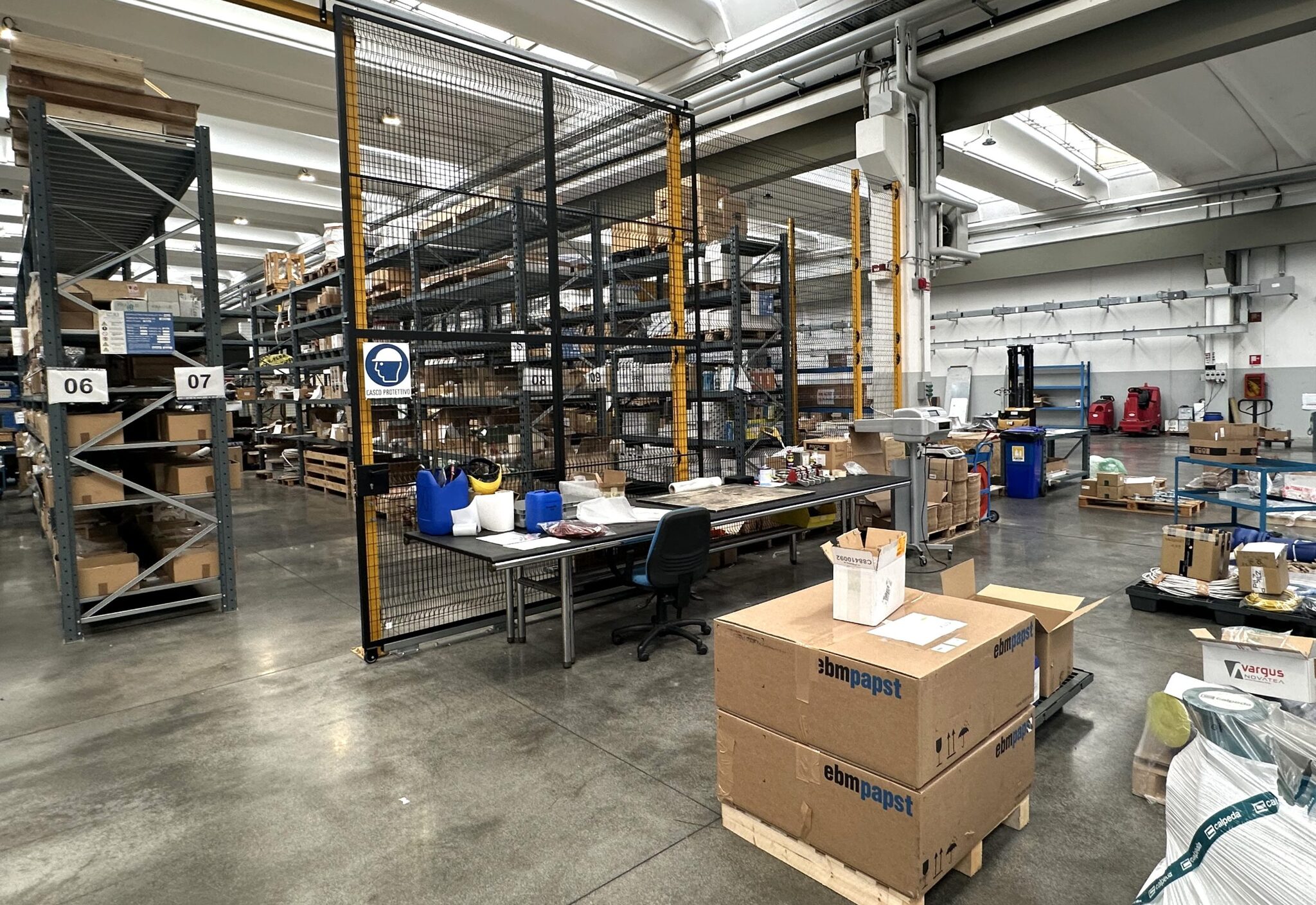
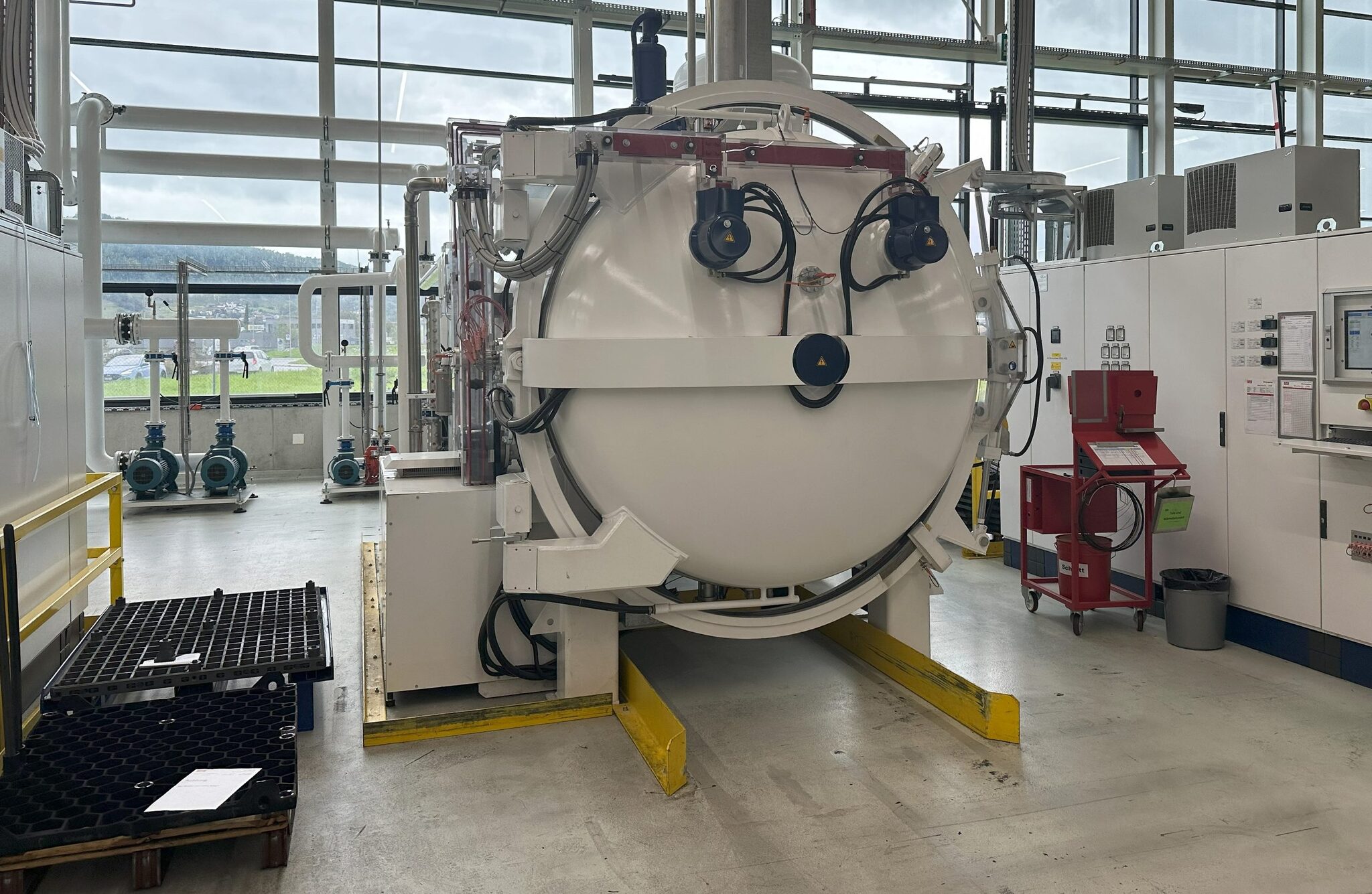
Typical In House Heat Treat Department
The Economic Reality:While the upfront cost of a vacuum furnace can be substantial, the long-term benefits often outweigh the initial investment. Without the EU incentives, many of those investments would have been economically unsound.
· Reduced Logistics Costs: Internalizing heat treatment eliminates the costs associated with transporting parts to and from external service providers.
· Minimized Rework and Scrap Rates: The precise control offered by vacuum furnaces reduces the likelihood of defects, minimizing rework and scrap rates.
· Increased Production Efficiency: Shorter lead times and improved process control translate to increased production efficiency and faster time-to-market.
· Long term control of quality: By having the process internal, the company can have full control over the quality.
The Future of In-House Heat Treatment: The trend of European SMEs internalizing vacuum heat treatment is expected to continue as technological advancements make these systems even more efficient and affordable. As the demand for high-quality, customized components grows, in-house vacuum furnaces will play an increasingly vital role in maintaining the competitive edge of European SMEs. The support provided by the European Union is a key catalyst, accelerating the adoption of this strategic manufacturing capability and contributing to the long-term prosperity of the European industrial sector.
The Role of TAV; Further underscoring the importance of accessible vacuum heat treatment technology, TAV plays a proactive role in supporting businesses transitioning to or optimizing their in-house capabilities. Recognizing the challenges that companies face when adopting new technologies, TAV has invested in an internal R&D Lab. This state-of-the-art facility is now equipped with a comprehensive array of four vacuum furnaces, each with distinct sizes and process parameters. This diverse capability allows us to directly assist both existing and new customers across a wide range of applications. From collaborative development and seamless transfer of novel heat treatment technologies to the meticulous fine-tuning of their existing processes, TAV’s R&D Lab serves as a valuable resource. By providing this support, TAV actively contributes to minimizing the inherent risks and significant costs traditionally associated with the adoption of new vacuum heat treatment technologies, empowering businesses to embrace this strategic manufacturing advantage with greater confidence.
Furthermore, considering the cost of employing a metallurgist or process engineer alongside the direct cost of internal R&D, the financial burden of supporting and developing new technologies can become prohibitive for many companies. By offering its expertise and extensive R&D capabilities, TAV enables the growth of new technology within these companies at an affordable price.”
Sincerely Mr. Marco Baretti, Sales Area Manager, TAV VACUUM FURNACES SPA, [email protected]
Did you like this article? Click here to subscribe to The Monty.
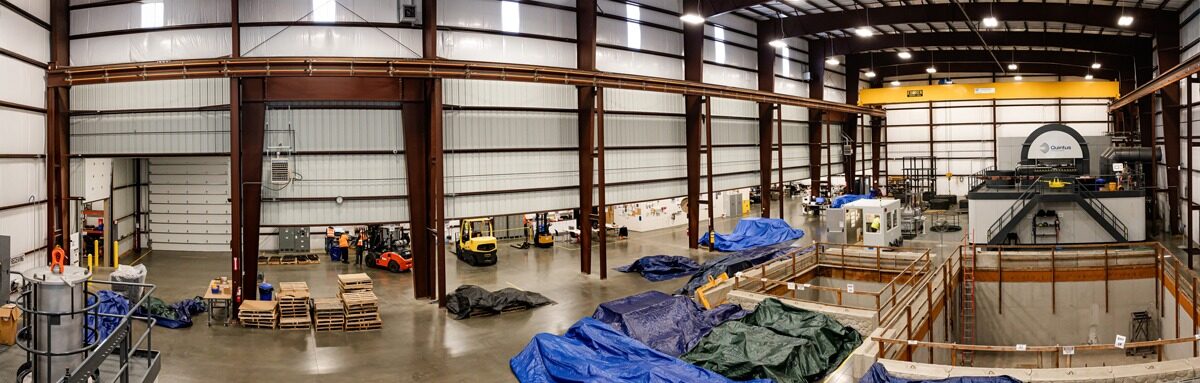
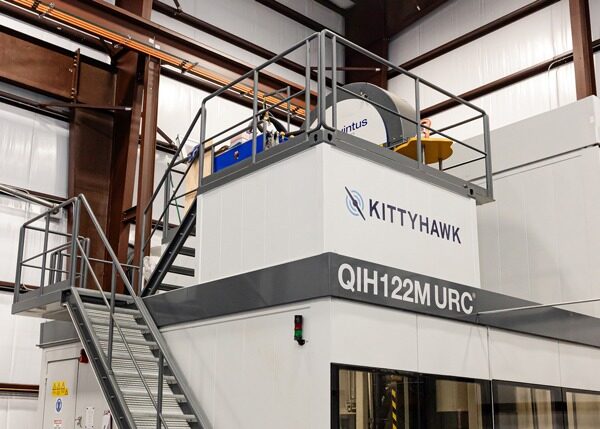
“When Kittyhawk acquired Stack HIP last year, the mission was about more than adding simple capacity. It was about uniting great teams and combining our experiences to better serve the growing number of organizations that depend on Kittyhawk to enhance their manufacturing processes. Built from the ground up in 2019, the Albany facility is a true testament to innovation, collaboration, and a shared vision for the future of Hot Isostatic Pressing (HIP).
The Albany, Oregon, facility first broke ground in March 2019 under the supervision of the General Manager, Brice Winney. By November of that same year, one of the largest HIP vessels in the United States was being installed, and by February 2020, the facility had achieved Nadcap certification. What typically takes well over a year was accomplished in less than 12 months, thanks to the team’s dedication and expertise.
Brice reflects on those early days with pride. “Many in the industry were surprised when we hit our early target. That was a good feeling, to accomplish something we were told we couldn’t do.” Participating in building a new facility from scratch and commissioning machinery gave Brice and his team a deep understanding of the equipment and processes. With their hands-on experience, the team created the first recipes for their HIP equipment and quickly established a culture focused on safety, quality, and continual improvement.
Being acquired by Kittyhawk in 2023 was a milestone for the Albany team, and a recognition of their hard work. Joining an organization that focuses exclusively on Hot Isostatic Pressing with a long history of excellence has opened new opportunities for growth and collaboration.
Robert Comer
At the heart of Kittyhawk Albany’s achievements is a team of 23 skilled professionals. Operating across four shifts, every team member plays a critical role in delivering high-quality results for clients in demanding industries such as aerospace, space, oil & gas, automotive, and more.
Brice Winney
Alongside the leadership of General Manager Brice Winney, the Albany success is also credited to Bob Lewis, the facility’s Quality Manager, who joined as the first employee and led the team to achieve Nadcap Certification in record time. His leadership has been instrumental in securing the facility’s current two-year Nadcap Merit status, a significant accomplishment in the HIP industry.
Bob Lewis
Another key contributor is Robert Comer, recently promoted to Operations Manager. Robert ensures smooth operations on the production floor, maintaining productivity and meeting customer demands with precision. Behind the scenes, the Maintenance Team, Planning Team, and Operators work tirelessly to maintain the high standards that define Kittyhawk. “Every person is key in a small company,” Brice emphasizes. “Our success is truly a team effort.”
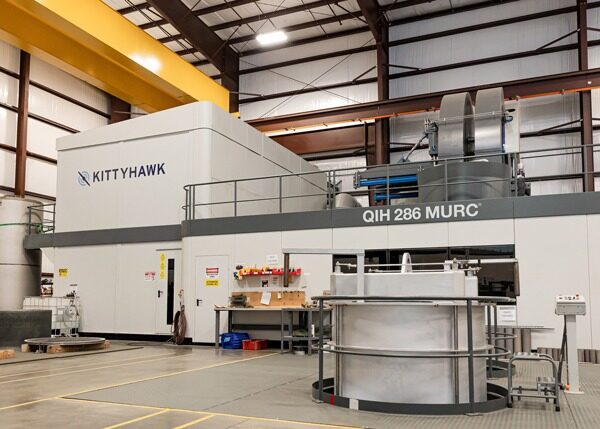
The Albany facility houses some of the most advanced HIP equipment in the industry including: 286 HIP Vessel: One of the largest vessels in North America, capable of high pressures up to 28,000 PSI and rapid cooling for faster production cycles.
122 HIP Vessel: Capable of achieving pressures up to 30,000 PSI and quenching rates comparable to traditional heat treatment processes.
These capabilities allow Kittyhawk Albany to process larger and more complex parts than most facilities, making it an essential part of Kittyhawk’s broader service offerings. With the ability to handle high-pressure requirements and shorter cycle times, the process is not only more productive but also more cost-effective for customers.
The future is bright for Kittyhawk Albany. With room for equipment expansion in both Albany and the nearby Canby facility, the team is well-positioned to capture a larger share of the HIP market. Throughout the journey, the goal has always remained clear: to become an industry leader in Hot Isostatic Pressing services and process-related technical support.
“We always challenge ourselves,” Brice shares. “We support each other, and stay focused on quality and safety. Growth and culture aren’t one-time initiatives—they’re ongoing efforts that we nurture every day.”
“The Albany team has been a fantastic addition to the Kittyhawk family,” said Kittyhawk President Brandon Creason. “Their deep knowledge of HIP technology and dedication to customer satisfaction aligns perfectly with our mission. We’re proud to have them on board and excited for what’s ahead.”
Through teamwork, innovation, and a relentless commitment to excellence, the Kittyhawk Albany team is helping drive the future of HIP forward—one cycle at a time.
Did you like this article? Click here to subscribe to The Monty.
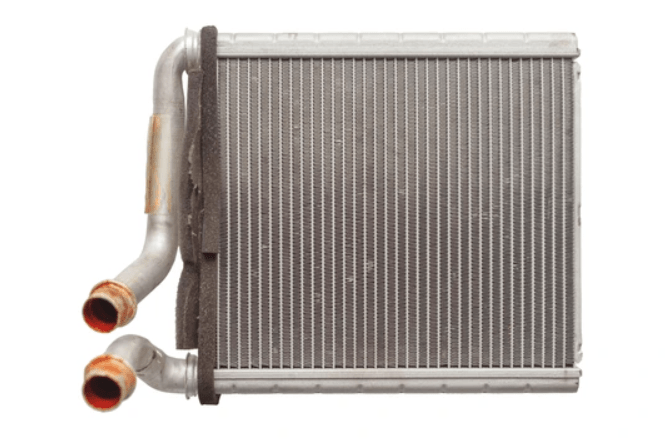
An important Asian Partner has ordered the fifteenth CAB furnace line for aluminum brazing from SECO/WARWICK. The partnership began in 2010, and the existing solutions are used in heat exchanger production for trucks, passenger cars and new energy technologies. The latest furnace will operate in the Monterrey Mexico branch, which specializes in the production of heat exchangers for delivery vehicles, trucks and passenger cars.
The CAB furnace on order is a technologically advanced production line including, among others, a thermal degreasing furnace, preheating chambers, a radiation furnace, a de-icing furnace, a final cooling chamber and an advanced control system. The solution has been designed to meet the rigorous requirements of the automotive industry in the production of components for commercial vehicles, as well as to ensure long-term and reliable operation in demanding industrial conditions. This Partner has dominated the Chinese heat exchanger sector for years.
“Fourteen of our CAB lines are already working in different parts of the world for that concern. We can say that this is the jubilee 15th order, exactly on the 15th anniversary of our cooperation beginning. The order is another step in the development of our global cooperation, strengthening the position of both companies on the Chinese and global markets,”said Piotr Skarbiński, Vice President of the Aluminum and CAB Products Segment at SECO/WARWICK Group.
Controlled Atmosphere Brazing (CAB) is the technology of first choice in the production of aluminum heat exchangers in the automotive industry.
“We are one of the leading manufacturers of lines intended for brazing heat exchangers. It is thanks to our furnaces that radiators for passenger cars, delivery vans, agricultural machines and power generators are created. As for the automotive industry, the radiators produced in our furnaces supply all key automotive concerns. The CAB line with a 1,400 mm wide belt ensures excellent temperature uniformity across the entire width, which translates into the final product quality. Our advantage is also the global ability to provide service,” added Liu Yedong, Managing Director of SECO/WARWICK China.
Specialized brazing lines using CAB technology (Controlled Atmosphere Brazing) also works for the HVAC industry – air conditioning and refrigeration – because these systems allow for a significant reduction of CO2 emissions and costs resulting from stricter environmental regulations due to global warming and overall environmental protection. This is currently a huge advantage allowing for a real reduction in manufacturing costs.
Did you like this article? Click here to subscribe to The Monty.

 March 26th “The Monty Heat Treat News” looked closely at one of the larger vacuum furnace builders in the world “Furnace Builder “TAV” Lands Order# 1,001-“The Monty” Visits”. In this article we mentioned in passing their sister company “TAVENGINEERING”-we are now in a position to offer a few more details;