Listed below, alphabetically below are the largest heat treatment events around the world for 2026. “The Monty Heat Treat News” has attended many of these events over the years and have found some to be worthwhile and others a waste of time. Read on for our recommendations;
Xi’an International Heat Treatment Exhibition (March 19–22, 2026 | Xi’an, China). If you miss one Chinese Heat Treat Exhibition, don’t worry there will be another one the following week. This is one of the smaller Chinese shows which can probably safely be missed.
5th Heat Treatment & HIP User Conference (April 8–10, 2026 | Wuxi, China). If you have an interest in Hot Isostatic Pressing this is the event for 2026.
Heat Treat Mexico 2026 (April 14–16, 2026 | Monterrey, Mexico): A premier event focused on the Mexican market, organized by the ASM Heat Treating Society. It features technical sessions, workshops, and over 50 exhibitors. ”The Monty” has attended this event several times over the years and while this is a relatively small show it is far and away the most important one if you have an interest in the booming Mexican, heat treat market. Very well organized.
Beijing International Heat Treatment Exhibition, (April 15-17, 2026) China National Convention Center, Beijing. Out of all the Chinese heat treatment events this is the one we would be most likely to attend.
26th China (Guangzhou) Int’l Heat Treatment & Industrial Furnace Exhibition (May 16–18, 2026 | Guangzhou, China): One of Asia’s largest platforms for heat treatment technologies, covering routine furnaces, vacuum equipment, and surface modification. While this is an enormous show a great deal of it is dedicated to the casting and forging industries with a small percentage dedicated to “traditional” heat treating.
Heat Treatment 2026 (September 16–18, 2026 | Moscow, Russia): The 19th edition of Russia’s only specialized exhibition for thermal equipment, featuring induction equipment, vacuum systems, and refractory materials. We have been to this show in the past and while it is reasonably well organized it tends to be on the smaller size. Unless you plan on selling into the Russian market this is a definite pass.
Heat Treatment 2026 (September 22–24, 2026 | Kielce, Poland): Part of the Metals Heat Treatment Expo at Targi Kielce, focusing on modern processes and equipment for the European market. This show covers a lot of ground, much of which is not really applicable to heat treating, skip this one.
Spain Heat Treatment Congress (September 23, 2026 | Bilbao, Spain). This is a one day event with little information given on the website. This is a definite pass.
Furnaces North America (FNA 2026) (October 12–14, 2026 | Indianapolis, USA): Hosted by the Metal Treating Institute (MTI), this is North America’s largest “heat treat only” event, co-located with the MTI Fall Meeting. This is the only substantial show in North America in 2026-if you have any interest in the North American market this is the only show to attend.
82nd Heat Treatment Congress (HK 2026) (October 13–15, 2026 | Cologne, Germany): Europe’s largest congress and trade fair for heat treatment, conducted in English and organized by AWT (Arbeitsgemeinschaft Wärmebehandlung und Werkstofftechnik). While the focus of this show is Germany, in actual fact it covers all of Europe and most of the events are in English. Best show in Europe in our opinion.
Heat Treat Forum, Wroclaw, Poland, (October 28-29, 2026). This is a small event, very much focused on the Polish heat treatment market, however it is friendly, well organized and worth the time if you have an interest in the Polish market.
“Surface treatment specialist Bodycote has announced the addition of S³P ADM® (Austenitic, Duplex, Martensitic) to its range of services in the United States, expanding the company’s Specialty Stainless Steel Processes (S³P) portfolio and bringing advanced stainless steel surface hardening capability closer to North American customers.
The new US capability helps reduce transportation costs and tariff exposure for North American customers, while strengthening Bodycote’s global S³P network and adding operational resilience across its facilities.
The investment in ADM marks a significant expansion of Bodycote’s S³P offering at its facility in Mooresville, North Carolina. The new treatment vessel can accommodate components up to 79 inches (2 metres) in length and 47 inches (1.2 metres) in width, enabling the surface hardening of larger and heavier stainless steel parts than previously possible in North America in industries such as oil and gas, food and beverage, and medical technology.
In addition to increased component size capability, ADM can treat martensitic alloys which are widely used in load-bearing and high-strength applications.
Temitope Oluwafemi, Bodycote’s S³P Technical Manager, North America, explained: “Demand is growing for stainless steel components that can deliver longer service life in harsh operating environments and to demanding standards, without introducing the risks associated with coatings. Bringing ADM capability to the US allows us to support customers locally, reduce lead times, and expand what’s possible for larger stainless steel components across multiple industries.”
Performance advantages of ADM; ADM is a low-temperature, diffusion-based surface hardening process that significantly improves the surface hardness of stainless steel components. Performed below 500°C, it helps maintain the corrosion resistance that makes stainless steel the material of choice for many demanding applications, while improving surface hardness and tribological performance.
Unlike coatings and plating, ADM does not create a separate layer on the surface of the component. Instead, it forms a hardened diffusion zone within the material itself, meaning there is no risk of cracking, chipping or delamination in service. The process is also designed to preserve dimensional stability, enabling treatment of finished components without affecting part geometry or tolerances.
Bodycote has established expertise in ADM, based on more than a decade of delivering the process in Europe.”
For those looking for the abbreviated report, “Mr. AI” has this to say;
“Bodycote’s 2025 results showed a mixed performance with total revenue declining 4% to £727.1m, though core organic revenue was relatively stable. The company experienced a second-half recovery (3.2% growth), driven by strong aerospace demand. Adjusted operating profit dropped 11.4% to £114.3m.
Key 2025 financial results:
Revenue: £727.1m (down 4.0% year-over-year).
Core Revenue: £671.6m (down 0.3% organically).
Adjusted Operating Profit: £114.3m (down 11.4%).
Statutory Operating Profit: £83.6m (up from £37.9m in 2024).
Adjusted Earnings per Share (EPS): 44.4p (down 8.6%).
Dividend: Maintained at 23.0p per share.
Key Takeaways:
Growth Segments: Aerospace & Defense and Industrial Gas Turbines showed strong demand, with Aerospace & Defense growing by 14% in H2 2025.
Weak Segments: Oil & Gas revenues fell by 40% in the Specialist Technologies division, while automotive and industrial markets remained challenging.
Strategic Initiatives: The “Optimise” program is underway, with a new £80 million share buyback program launched for 2026.
Outlook: 2026 is expected to see core organic revenue growth, supported by continued strength in Aerospace & Defence, despite anticipated headwinds in Automotive and Industrial markets.”
(Editors Note; Metco Industries is located in St. Marys, PA, USA the powdered metal capital of the world)
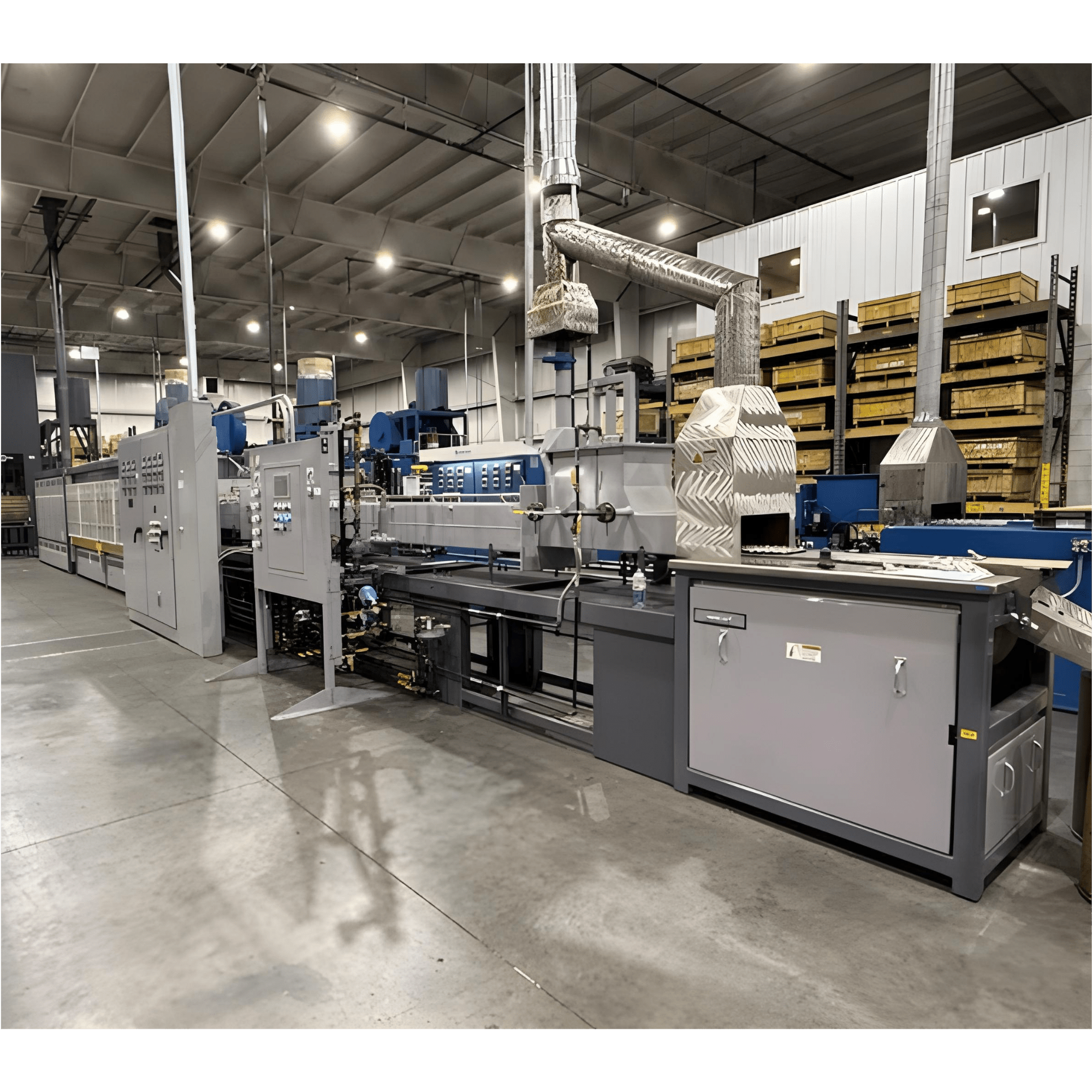
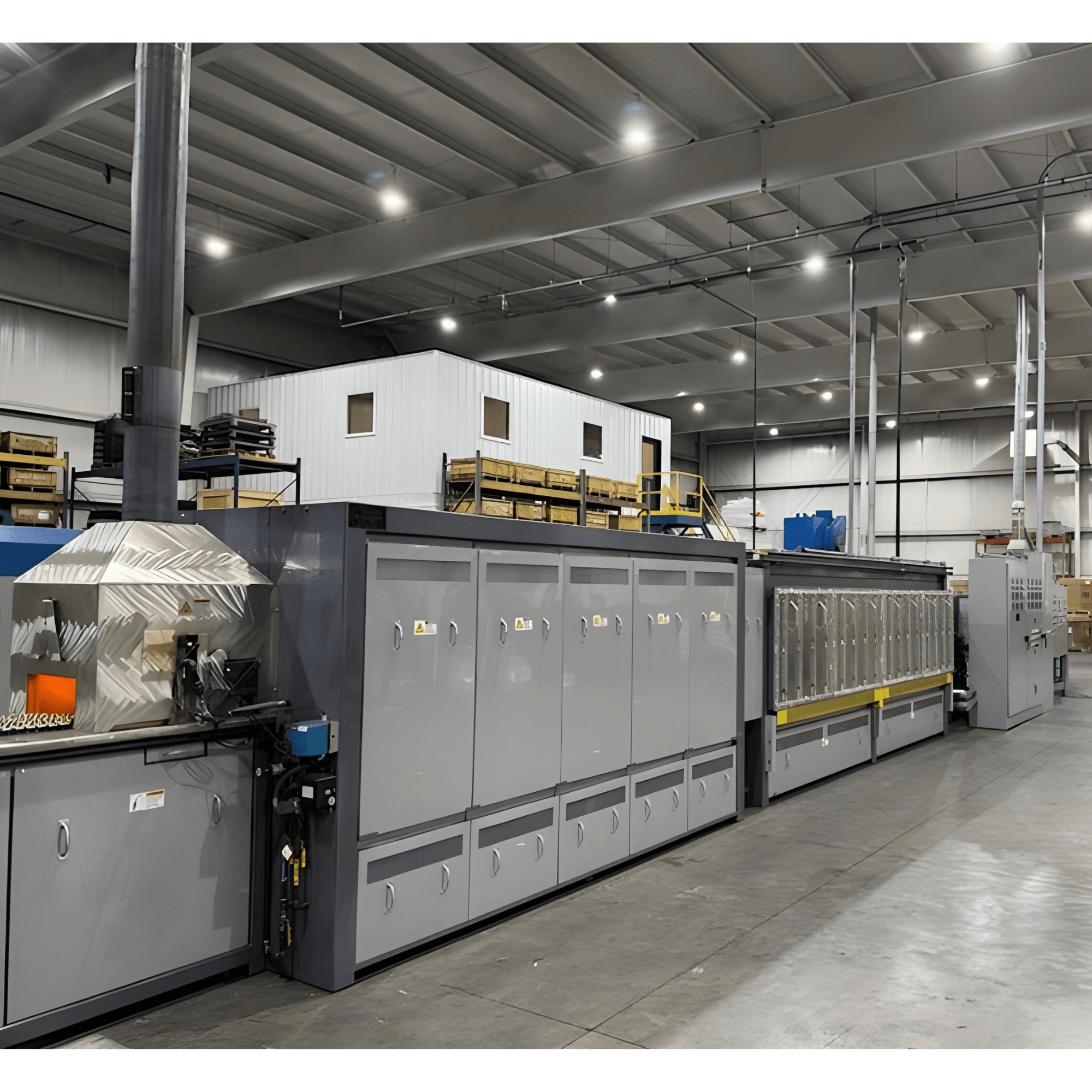
“Abbott Furnace Company has successfully delivered and commissioned a seven-zone continuous belt sintering furnace for Metco Industries. The system incorporates Abbott’s latest generation of fully digital atmosphere control technology, engineered and manufactured in-house.
The system is designed to deliver tighter process control, improved repeatability, and real-time visibility into furnace performance. Fully digital flow control, advanced monitoring, and data-driven diagnostics allow Metco to optimize sintering conditions of the furnace, supporting higher quality parts and more consistent results.
Abbott Furnace Company is proud to support customers such as Metco Industries who continue to invest in advanced thermal processing solutions. Projects like this reflect a shared commitment to process control, operational consistency, and long-term manufacturing performance within the powdered metal industry.”
(Editor’s Note; GE Aerospace is one of the largest in-house heat treaters in the world in terms of vacuum heat-treating capacity. Over the years “The Monty Heat Treat News” has had numerous stories about GE Aerospace divisions adding vacuum heat treat capacity, along the same lines our understanding is that the GE Aerospace facility in Quebec, Canada also recently invested in more vacuum furnace capacity.)
“General Electric Aerospace has announced a major investment at its Wilmington site alongside a billion-dollar national modernization effort.
GE Aerospace will invest $60 million at its Wilmington site, according to a news release from the company. The investment will modernize equipment to accommodate growing demand. The upgrades include advanced machining equipment, upgraded heat treatment furnaces and building improvements.
Located on Castle Hayne Road, Wilmington’s GE Aerospace site produces components for engines used in narrowbody and widebody aircraft, military fighter jets and ships.
“We’re bringing more equipment online to better serve our customers and meet growing demand, and that is good news for this community as the team grows,” site leader Mark Moon said in the news release. “We are all in on U.S. manufacturing, Wilmington, and our customers.”
Over the past three years, the company has announced plans to invest more than $135 million in Wilmington. The latest $1 billion investment includes more than $160 million across North Carolina, bringing total investment across the state to $300 million since 2024.
GE Aerospace’s second consecutive $1 billion U.S. investment will benefit more than 30 communities across 17 states. The investment builds on the annual $3 billion that the company invests into research and development. The company plans to hire 5,000 workers in manufacturing and engineering across its sites.
The Cincinnati-based manufacturer’s other 2026 North Carolina investments include $20 million in Durham, $35 million in West Jefferson and $48 million in Asheville.
“Maintaining U.S. aerospace leadership requires sustained investment in our people, our facilities, and the technologies that will define the future of flight,” Chairman and CEO H. Lawrence Culp Jr. said in the release. “This investment is for our customers, our communities, and our country.”
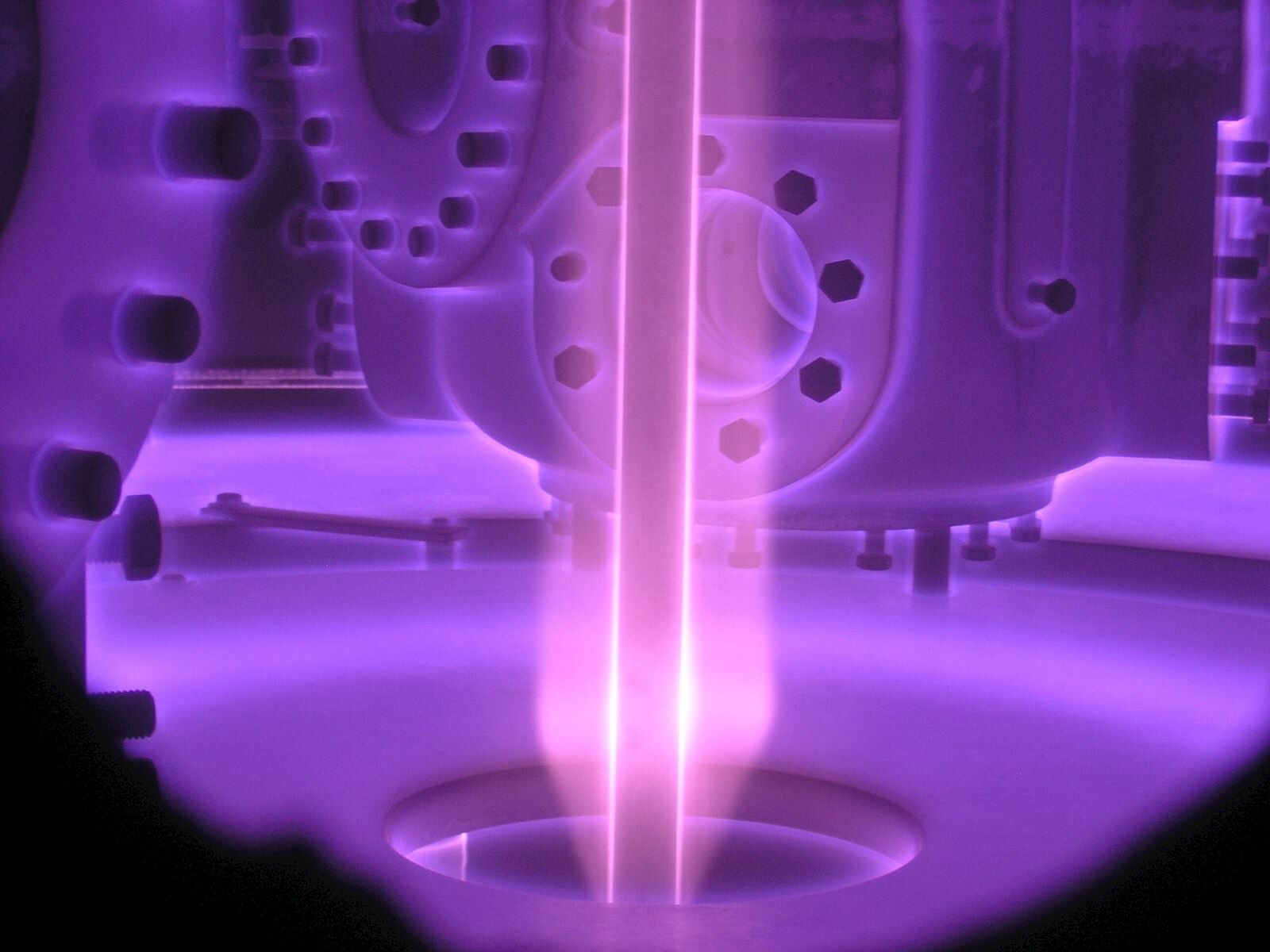
At one point in time the “Bosch Fuel Systems” location in Kentwood, Michigan, USA boasted what was probably the largest plasma nitriding location in the world (Source; the late David Pye who knew as much or more about plasma nitriding as anybody in the world).
At one point in time this location had 12 “Ipsen” plasma nitride furnaces, 2 “Eltro” plasma nitriding furnaces, 4 “Kloeckner” plasma nitride furnaces, 3 “Ipsen” 10-bar gas quench furnaces, 3 “Surface Combustion” vacuum oil-quench furnaces, 5 “Surface Combustion” vacuum temper furnaces and 1 “Ipsen” vacuum temper furnace.
As of a couple of months ago the final two Ipsen plasma nitriding furnaces were scrapped which means the end of an era for plasma nitriding at this location. Perhaps a shame but the world keeps changing.
Advanced Heat Treat Corp.® (AHT), a recognized leader in heat treat services and metallurgical solutions, has invested in two additional pieces of equipment at its Cullman, Alabama location. The equipment will expand capacity for induction hardening and gas nitriding, supporting increased production volumes, faster turnaround times, and more complex part geometries.
The Alabama location recently installed a larger induction hardening unit to support continued growth in customer demand. The new system accommodates parts up to 60 inches in diameter and more complex part geometries. While earlier systems were primarily suited for cylindrical components such as shafts, gears and pins, the new unit enables induction hardening of more intricate part designs, opening the door to a broader mix of applications and industries.
AHT has also expanded gas nitriding capacity with the addition of another nitriding unit, enhancing the site’s ability to support high‑volume nitriding programs while maintaining quick lead times and consistent quality.
“These investments allow us to scale with our customers,” said Tim Garner, AHT plant manager. “We are well-positioned to handle a wide range of part sizes, geometries, and production volumes without compromising turnaround time.”
Advanced Heat Treat Corp.® operates four locations: one in Cullman, Alabama; two in Waterloo, Iowa; and one in Monroe, Michigan. Across these locations, AHT offers more than 20 surface treatment processes, including ion nitriding, gas nitriding, ferritic nitrocarburizing, UltraOx®, induction hardening, stress relieving, and more.
With a focus on technical expertise, fast response times, and scalable capacity, AHT continues to invest in people, equipment, and processes to meet the evolving needs of manufacturers worldwide.
For more information about Advanced Heat Treat Corp.® and its services, please visit www.ahtcorp.com or call 319-232-5221.
About Advanced Heat Treat Corp. Established in 1981, Advanced Heat Treat Corp. (AHT) is a recognized leader in providing heat treat services and superior metallurgical solutions to companies across the globe, with locations in Alabama, Iowa and Michigan. Their UltraGlow® family of processes includes plasma ion nitriding, ferritic nitrocarburizing (FNC), gas nitriding, UltraOx®, through hardening, carburizing, carbonitriding, induction hardening and many more.
three NO comics style text, vintage attention message, retro dangerous poster
It is always a hot topic whether manufacturers should bring heat treating in house or “farm” it out to commercial heat treaters. Many considerations enter the mix including;
Do the volumes justify the high costs of installing a heat treat department?
Does the manufacturer want to add a process which in many cases they have little to no experience with?
Do the benefits of controlling quality and “turn around time” by bringing heat treat in house outweigh the initial investment?
Does a manufacturer really want to bring what is quite often a dirty, hot furnace into their manufacturing facility?
The team at “The Monty Heat Treat News” has fielded this question many times over the years-the topic popped up again this past week when we were approached by a US manufacturer who asked exactly that question “should I invest in my own heat treat department due to long turnaround times by my local heat treaters”? With his permission and our agreement that no names would be mentioned this is the manufacturers dilemma and our response:
“Manufacturer: I have some interest in bringing heat treating in house. The parts are run in batches of about 200 lbs. maximum. Some parts are 8610, need a .030 case hardened and quenched and tempered RC42 to RC60 depending on the application.
One group of parts are 4340 that get carbo-nitrided .005 deep and ideally need marquenched RC48-54 to reduce distortion in some reamed holes. These parts have been difficult to get done consistently and have a high minimum charge making us carry a large inventory of parts.”
“The Monty”; What is the value of the commercial heat treating per year”
“Manufacturer; With the scrap costs on the 4340 parts we are over $50,000 per year and it limits our ability to expand some product lines. Some work we have to either turn down or charge $350.00 for 2 lbs. of parts and wait 2 to 4 weeks to get them back. I do know a couple of companies that have similar problems because the heat treaters in this area do not have equipment for low volume parts. If we need an non standard process or case depth we have paid $500.00 to get 5 lbs. of parts in two weeks or waited 6 weeks at $350.00.”
“The Monty”; In this particular case the answer is absolutely, 100% clear-do not bring heat treating in house! The general rule of thumb is that to make economic sense a manufacturer can only afford to invest in equipment what they are sending out to a commercial heat treater over the course of a year. In this case, that number is $50,000 and there is no way in this situation that they will find the equipment they need for $50,000.00. This of course does not take into account the learning curve of heat treating, the amount of space required and the need to hire somebody to run the department.
Our advice? Find another heat treater who specializes in small lot sizes.-there are plenty of them out there.
Have a question for “The Monty”-we look forward to it! [email protected]
Lets start off the week of March 9th, 2026 by having a look at some well known (and some not so well known) individuals who are changing direction in the global heat treatment industry;
Jim Feltner, CEO, FPM Heat Treating. For a number of years now Jim Feltner has been CEO of one of the largest commercial heat treaters in North America “FPM Heat Treating” in the Chicago area. According to these comments from Jim, he is changing direction in his career; “I’m excited to share that I have joined Magnetic Inspection Laboratory, Inc. (MIL) in Elk Grove Village, IL as President. MIL has a long-standing reputation in Aerospace and Defense coatings, specialty metal finishing, and non-destructive testing serving critical customers where quality and reliability matter most.
I look forward to building on the foundation that MIL has built and strengthening operational excellence, investing in people, technology, and driving disciplined growth in the Aerospace and Defense markets. Thank you to everyone who has supported me throughout my career. I am energized for what’s ahead.”
Bob Ferry , VP Engineering & Quality, FPM Heat Treating. In related news Bob Ferry who spent a very impressive 43 years with FPM recently parted ways with the company. He is now President of his own heat treat consulting firm at which we are sure he will do very well based upon his experience.
Pan Gaojun, SECO/WAREWICK, China.Mr. Pan Gaojun recently took over as Managing Director of furnace builder SECO/WARWICK China. He takes over from Mr. Liu Yedong who held this position for 10 years. Liu will now serve as Vice Chairman of the Board of Directors of SECO/WARWICK China and Senior Advisor to the Operating Board.
Erik Santora, ALD, Germany. ALD is known both as one of the world’s largest suppliers of LPC (Low Pressure Carburizing) systems and also as one of the globe’s largest LPC commercial heat treaters. Recently Erik Santora joined the company as Sales Manager in Hanau, Germany.
James Timlin, Bodycote ADE, UK. In the UK, Mr. James Timlin was recently appointed as the Sales Director for the ADE (Aerospace, Energy & Defense) Division of heat treating giant Bodycote.
Riccardo De Luca, Regional Sales Manager, Bodycote. After a number of years in the European heat treat industry in a variety of positions Mr. Riccardo De Luca has been appointed Regional Sales Manager, GNA North with commercial heat treater Bodycote. GNA stands for Germany North & Netherlands an area which Bodycote is very strong in.
Dean Russell (Senior and Junior), Industrial Thermal Systems. For many years Dean Russell Senior and Junior have acted as independent sales representatives covering the thermal processing industry in the US North East, most notably as representatives of vacuum furnace builder Ipsen. Very recently the company parted ways with Ipsen (there was a formal announcement of this last week on “The Monty”).
St. Marys, PA — Gasbarre Thermal Processing Systems (Gasbarre) has received an order for a custom-engineered box furnace and loading system to be installed at a U.S.-based manufacturing facility, marking a new customer relationship and demonstrating Gasbarre’s ability to deliver solutions tailored to highly specific operational requirements.
The project required a furnace design that could meet strict space, access, and installation constraints while supporting a non-standard thermal application. Gasbarre worked closely with the customer to develop a solution that fit within the available footprint and complied with facility limitations that had previously restricted equipment options.
Gasbarre was selected based on its ability to respond quickly, collaborate closely throughout the approval process, and engineer a system specifically aligned with the customer’s needs — rather than adapting an off-the-shelf design. The project progressed under a tight timeline, with Gasbarre providing consistent engagement from initial inquiry through final authorization.
“Some applications don’t allow for compromise, whether due to space, schedule, or process requirements,” said Patrick Weymer, Business Development Manager for Gasbarre. “This project reflects our ability to engineer practical, reliable solutions when standard equipment simply won’t work.”
The system supports a specialized high-temperature thermal operation that was previously validated at a smaller scale and is now being expanded to meet increased capacity requirements. The direct fired furnace is designed to operate in an air atmosphere up to 2100°F and represents the largest configuration that can be accommodated within the facility’s constraints.
Gasbarre Thermal Processing Systems designs and manufactures engineered thermal processing equipment for demanding industrial applications, partnering closely with customers to solve unique challenges with precision and discretion.

 Furnaces North America (FNA 2026) (October 12–14, 2026 | Indianapolis, USA): Hosted by the Metal Treating Institute (MTI), this is North America’s largest “heat treat only” event, co-located with the MTI Fall Meeting. This is the only substantial show in North America in 2026-if you have any interest in the North American market this is the only show to attend.
 82nd Heat Treatment Congress (HK 2026) (October 13–15, 2026 | Cologne, Germany): Europe’s largest congress and trade fair for heat treatment, conducted in English and organized by AWT (Arbeitsgemeinschaft Wärmebehandlung und Werkstofftechnik). While the focus of this show is Germany, in actual fact it covers all of Europe and most of the events are in English. Best show in Europe in our opinion.