(Editors Note; While it is not mentioned in this press release the new vessel is being built by “American Isostatic Presses Inc”. of Ohio.
“Kittyhawk Inc has placed an order for a new Hot Isostatic Pressing (HIP) vessel for installation at its Garden Grove, California, USA, facility. The investment is intended to support growing demand for HIP services from the commercial aerospace, space and defence sectors, as well as other industries. The additional capacity is expected to help address increasing production requirements, complex supply chain demands and shortened delivery schedules.
“Kittyhawk has always been focused on delivering quality, reliability and responsive service to our customers,” stated Brandon Creason, Chief Executive Officer of Kittyhawk. “This new vessel is another step in our ongoing investment in long-term growth. As demand continues to increase, we want to make sure our customers have access to the HIP services they need when they need them.”
The new vessel, measuring 1.17 × 2.54 m, will increase the company’s processing capacity for a range of component sizes and is expected to improve throughput at the Garden Grove site. Kittyhawk states that the expansion will help reduce production bottlenecks, improve turnaround times and provide greater scheduling flexibility for customers operating in regulated industries.
Founded in 1981, Kittyhawk provides HIP services to customers in the aerospace, defence, automotive, oil and gas, and medical sectors. The company operates in accordance with AS9100 and Nadcap requirements, complies with International Traffic in Arms Regulations (ITAR) and Export Administration Regulations (EAR), and holds a Class 07 Federal Firearms License (FFL).
The investment forms part of the company’s ongoing expansion strategy as it seeks to increase HIP capacity and support future customer requirements.”
On a regular basis“The Monty Heat Treat News” informs the industry about individuals in the industry making career changes-promotions, retirements, changes in direction-these are the individuals who make our headline for Friday, June 19th 2026;
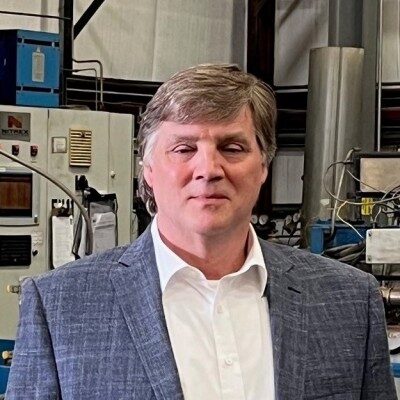
Steven Sumner Retiring; Steven has spent most of his working career in the heat treatment industry having worked with firms such as “Applied Process” in Michigan (now part of “Aalberts Surface Technologies”), “Tri-City Heat Treating” and most recently with commercial heat treater “Nitrex”. It would appear his retirement is effective immediately.
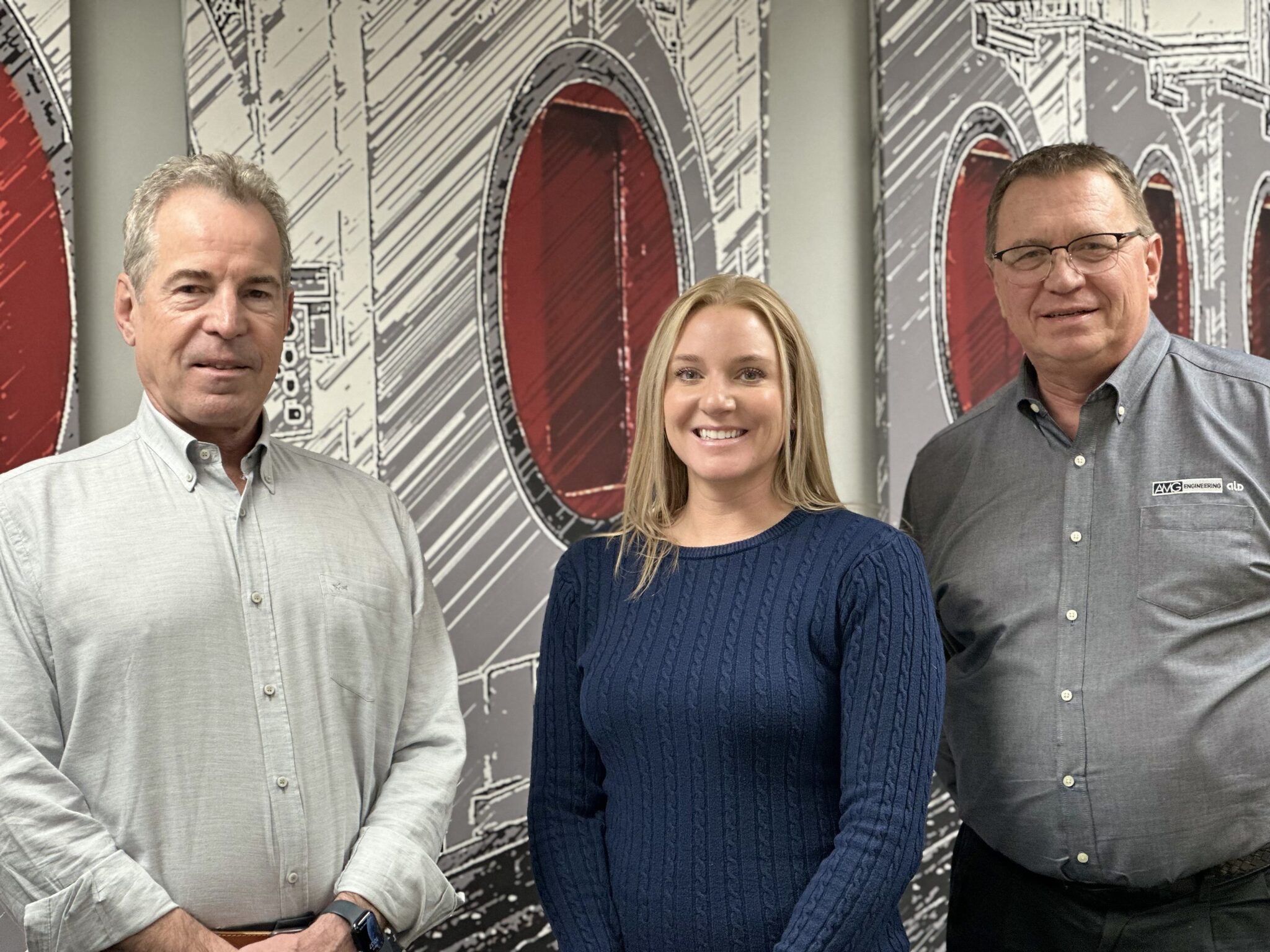
Kelly Peters; Kelly Peters comes from a heat treating background-her father “Robert Peters” was well known in the industry for many years working with firms such as “Stackpole” (now“Johnson Electric”) and “ALD”. Kelly did a tremendous job as GM at commercial heat treater “ALD Thermal Treatment” in Port Huron, Michigan before recently parting ways with the company and moving to commercial heat treater “Nitrex”.
Christian Saint-Denis Retiring. While not well known to the global heat treatment industry, “Christian Saint-Denis” held a high level position in the heat treatment department at fastener manufacturer “Infasco” in Marieville, Quebec, Canada. “Infasco” operates one of the larger in-house fastener heat treat departments in North America. His retirement is immediate.
Ben Tylisz, “SECO/Warwick Group”. Ben recently joined furnace builder “SECO/WARWICK Group” in the USA as Product Manager supporting vacuum furnace solutions. Previous to this Ben worked with vacuum pump supplier “Busch” so he brings with him a tremendous amount of experience.
Chad Schwartztrauber, “Certified Measurement Services”. For over 28 years Chad worked with “Certified Measurement Services” in California, a company which services the heat treatment industry amongst others. Chad recently parted ways with the company and if we understand correctly, he is now working with “Heat Treating Services Unlimited” of South Carolina. Good man Chad and we are sure he will do a great job for Kyle Favors and his team.
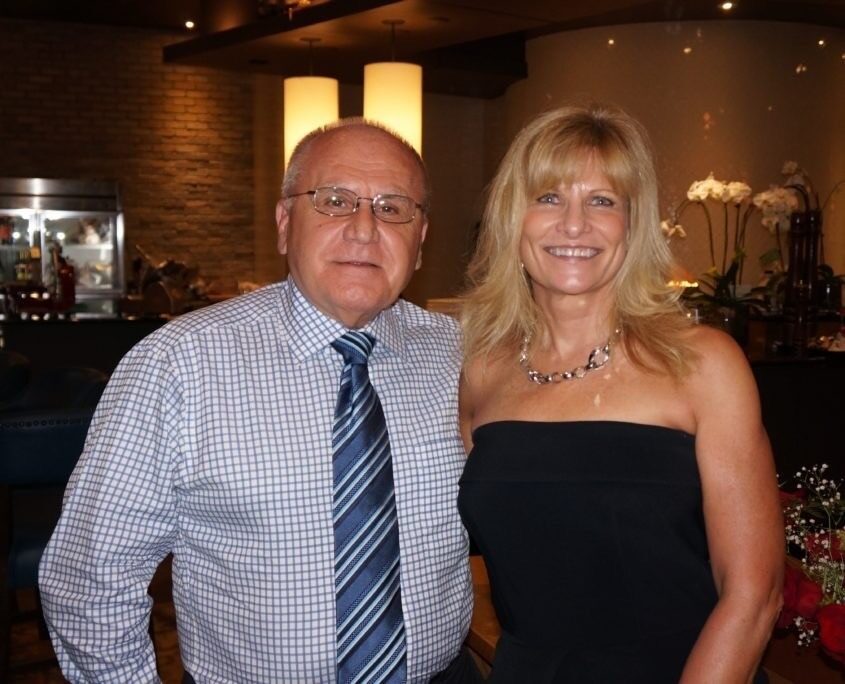
Mario Ciampini, Bodycote, Retiring.Unfortunately, the global heat treatment industry is losing one of the “great” ones, an individual who is known to heat treaters around the world, Mr. “Mario Ciampini”. Currently Vice President, Strategic Projects and M&A, Bodycote plc Mario has announced that June30th, 2026 he will be leaving the company.Mario’s truly remarkable heat treat career includes 19 years as President/CEO of furnace builder “Ipsen International” with the past 20 years spent with the world’s largest commercial heat treater “Bodycote”. During his 20 years with “Bodycote” Mario was involved with a variety of projects, the chief one being acquisitions, an area where he truly excelled. Some of Bodycote’s most successful acquisitions are a direct result of Mario’s efforts. This photo shows Mario with Dale Montgomery of “The Monty Heat Treat News”
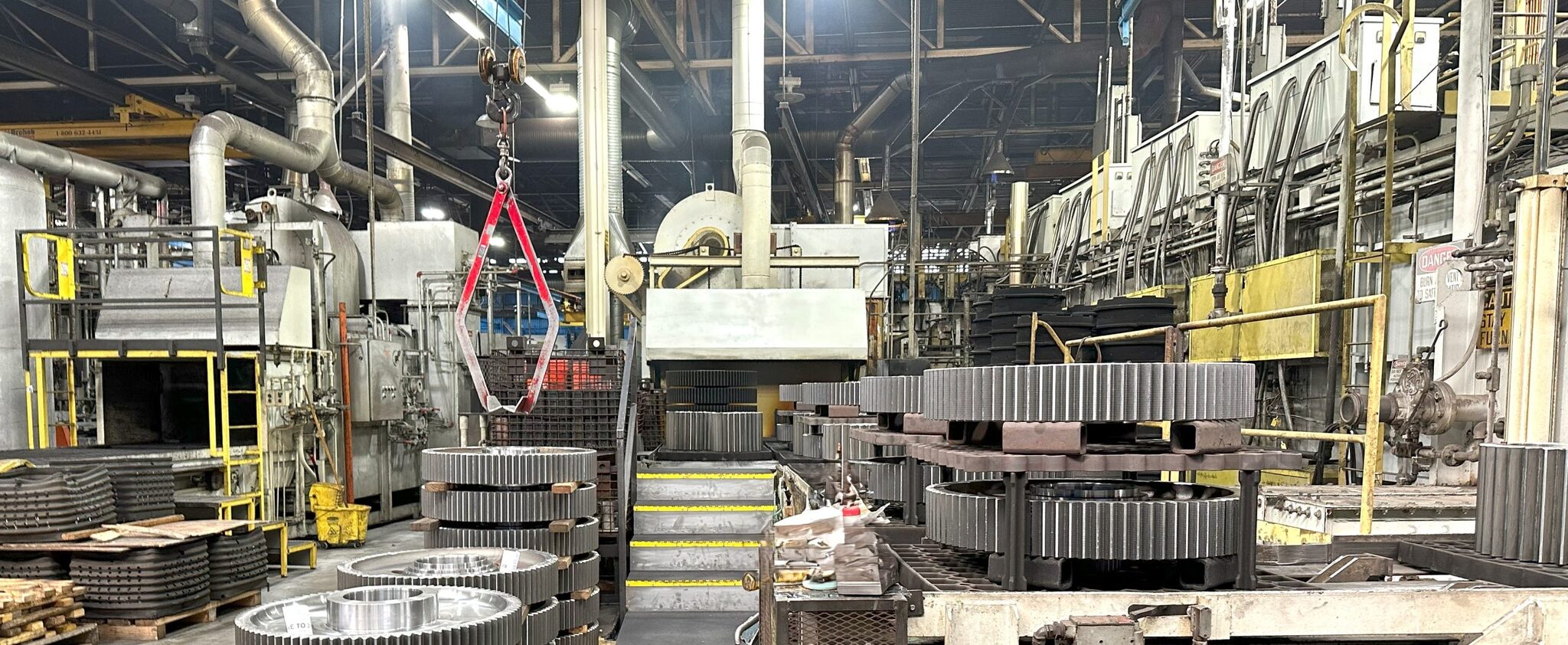
Earlier this year “The Monty Heat Treat News” had an in-depth article entitled; “Is There a Shortage of Large Pit Carburizing Capacity in North America?”. The story provoked such an avalanche of interest that we are providing regular updates on this topic, and today we have another update about new pit carburizing capacity being added.
“Northern Heat Treat” in Capreol, Ontario, Canada (which might hold the distinction of being the northern most commercial heat treater in North America) has announced that they are bringing on line more pit carburizing capacity.
The firm has always serviced the mining industry, which typically means large gears and shafts and in the face of increasing demand for large pit carburizing capacity (their words, not ours) they have initiated the installation of a large pit carburizing furnace. Planned production startup of the gas fired 92″ deep furnace is Q3-Q4 of this year.
We will keep you updated on this and other stories related to pit carburizing capacity in North America and abroad.
As aerospace specifications continue to evolve and audit requirements become increasingly complex, staying informed and connected has never been more important for heat treaters. That’s why the Metal Treating Institute’s Technical Standards Committee is hosting two valuable events during the upcoming Nadcap Meeting in Pittsburgh, PA, on June 22-23, 2026. These sessions are designed to help MTI Members stay ahead of technical changes, strengthen audit readiness, and engage directly with industry peers facing similar challenges.
The Nadcap Meeting is one of the most influential gatherings for aerospace quality professionals, accredited suppliers, OEM representatives, auditors, and technical experts. It provides a forum for discussing audit criteria, specification revisions, emerging industry issues, and continuous improvement initiatives that impact aerospace manufacturing worldwide. MTI Events are as follows:
Day 1: MTI Technical Meeting
On Monday, June 22, MTI’s Technical Standards Committee Co-Chairs, Sara Lombardo of Vacu-Braze and Gordon Porterfield of Solar Atmospheres, will facilitate a focused discussion for MTI Members who hold a Nadcap accreditation. The session will provide a unique opportunity for attendees to review critical technical issues and gain insight into the latest developments affecting aerospace heat treaters. Topics on the agenda include:
Technical issues related to Nadcap audit compliance
Latest ballots and proposed revisions to Nadcap checklists
Auditor consistency concerns and interpretations
Key items currently under discussion by the Heat Treat Task Group
Recent activity involving aerospace specifications being reviewed by the AMEC Committee
Emerging specification changes that could impact future audits and customer requirements
These discussions are especially valuable because they provide Members with practical insight from industry experts who actively participate in standards development and Nadcap-related initiatives. Attendees can ask questions, share concerns, and gain clarity on issues that directly affect compliance and operational performance.
Day 2: MTI Networking Reception
Following the first two days of Nadcap activities, MTI will host a Networking Reception on Tuesday evening, June 23. This informal gathering will bring together commercial heat treaters, captive heat treaters, suppliers, and quality professionals to discuss the most significant takeaways from the Nadcap meeting while building valuable industry relationships. The reception creates an ideal environment for exchanging ideas, discussing audit experiences, sharing best practices, and developing connections with peers who understand the unique challenges of aerospace heat treating. Many attendees have found these networking events to be just as valuable as the formal meetings themselves because of the candid conversations and collaborative problem-solving that take place.
Why Participation Matters
The Technical Standards Committee plays a vital role in helping MTI Members remain informed, compliant, and prepared for ongoing changes in aerospace requirements. Previous committee meetings have addressed topics ranging from AC7102 interpretations and auditor training, to AMS specification revisions, ASTM requirements, and future audit expectations. These discussions help ensure MTI Members have a voice in the standards that shape the industry’s future.
CLICK HERE to view what heat treaters have to say about the work of the MTI Technical Standards Committee. If you would like more information on being a member of the Metal Treating Institute, visit www.MTIStrong.com or contact MTI’s CEO, Tom Morrison at [email protected].
“Nadcap® recognizes “Metalex Thermal Specialties” for its commitment to continual improvement in aerospace quality
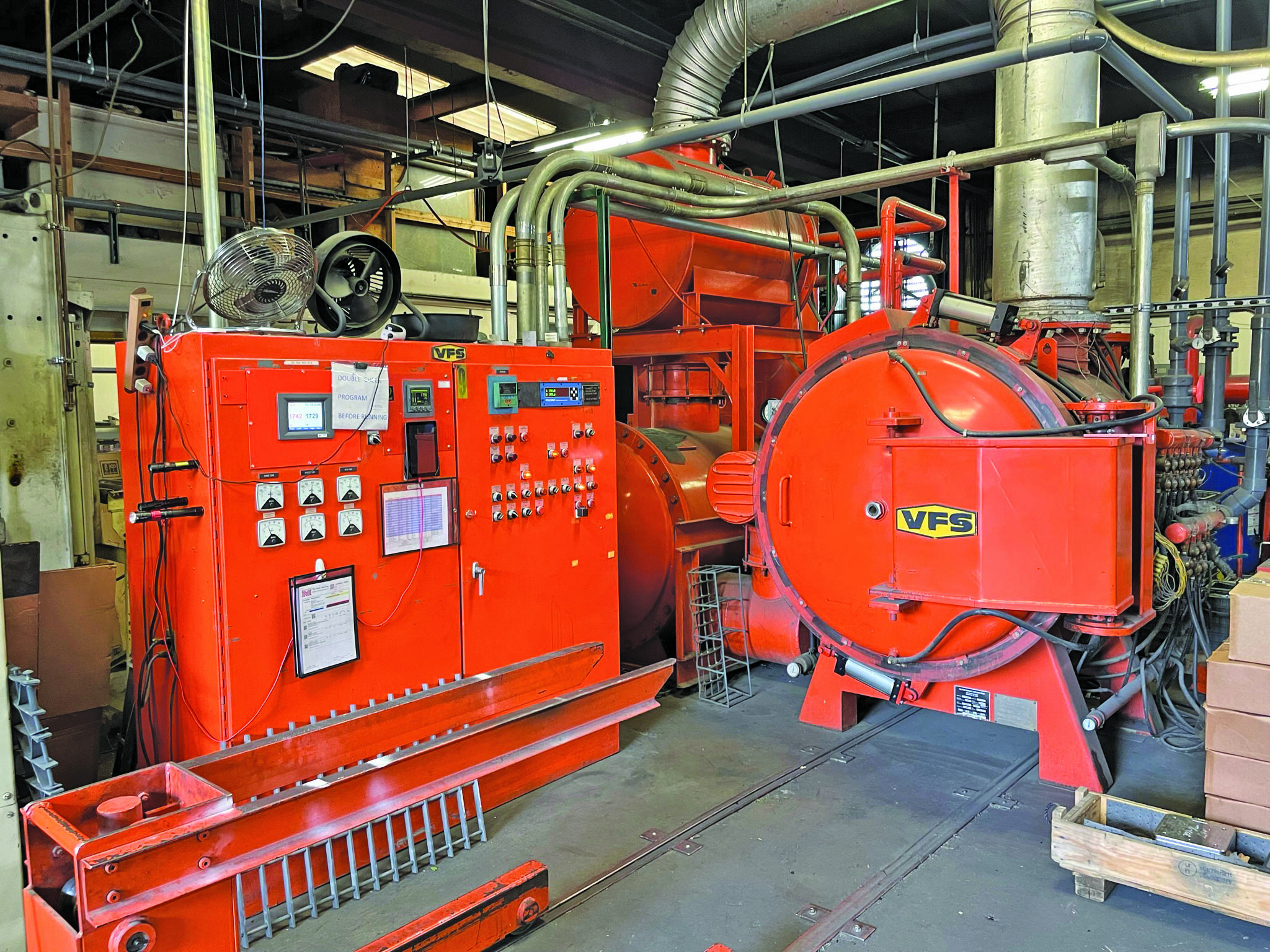
BERTHOUD, COLORADO – June 2026 – Metalex Thermal Specialties announces that it has received Nadcap® accreditation for Heat Treating, demonstrating the company’s commitment to meeting the stringent quality requirements of the aerospace industry.
“Achieving Nadcap accreditation is a tremendous milestone for Metalex and a reflection of our team’s dedication to quality, accountability, and continuous improvement,” said Debra James, President and CEO of Metalex Thermal Specialties. “When our family acquired Metalex in 2020, we saw an opportunity to build upon its strong foundation and create a world-class thermal processing company. Earning Nadcap accreditation validates the investments we’ve made in our people, equipment, and quality systems, and positions us to better serve the aerospace and defense industries for years to come.”
Chris James, General Manager of Metalex Thermal Specialties, added, “This accreditation represents thousands of hours of work by our team. From enhancing our quality management systems and process controls to investing in training and equipment, every employee played a role in achieving this milestone. Nadcap accreditation demonstrates to our customers that Metalex has the systems, discipline, and technical expertise necessary to process some of the most demanding aerospace components in the industry.”
Metalex Thermal Specialties received Nadcap® accreditation for demonstrating its ongoing commitment to quality by satisfying customer requirements and industry specifications. Nadcap accreditation is recognized throughout the aerospace industry as a critical benchmark for special process providers and demonstrates compliance with rigorous technical and quality requirements.
The achievement represents years of investment and commitment by the company. Since acquiring Metalex in 2020, the James family has focused on modernizing operations, expanding technical capabilities, strengthening quality systems, and building a culture centered on continuous improvement. Achieving Nadcap accreditation marks a significant milestone in that journey and reinforces Metalex’s position as a trusted thermal processing partner for aerospace manufacturers and other industries requiring the highest levels of quality and process control.
As a family-owned company, Metalex is proud to demonstrate how two generations working together can successfully build a culture of quality and long-term investment. The Nadcap accreditation reflects not only compliance with industry requirements, but also the company’s commitment to continual improvement and operational excellence for years to come.
Jay Solomond, Executive Vice President and Chief Operating Officer at the Performance Review Institute, said: “Nadcap accreditation is globally recognized as a hallmark of quality and is a major accomplishment. For many years, the aerospace industry has incorporated Nadcap into its approach for handling risk, as it demonstrates compliance with industry standards and customer requirements. I am delighted, therefore, that Metalex Thermal Specialties has achieved Nadcap accreditation for Heat Treating, and that all their hard work has paid off.”
About Metalex Thermal Specialties; Metalex Thermal Specialties is a family-owned commercial heat treating company located in Berthoud, Colorado. The company specializes in vacuum heat treating, precipitation hardening, stress relieving, annealing, solution treating, and related thermal processing services for aerospace, defense, medical, energy, automotive, and industrial manufacturers. Combining advanced thermal processing capabilities with responsive customer service, Metalex delivers consistent, high-quality results for critical applications throughout the United States.
About Nadcap®; Created in 1990 by SAE International, Nadcap® is administered by the not-for-profit Performance Review Institute® (PRI). PRI is a global provider of customer-focused solutions designed to improve process and product quality by adding value, reducing total cost, and promoting collaboration among stakeholders in industries where safety and quality are shared goals. PRI works closely with industry to understand emerging needs and offers customized solutions in response.”
Following the completion of the consolidation of the SECO/WARWICK Group’s U.S. companies, the organization in the United States is entering the next stage of development. Donald Marteeny, who has been associated with SECO/WARWICK for many years, is assuming the role of Managing Director of SECO/WARWICK USA. Piotr Zawistowski, who has led the U.S. organization to date, is joining the Supervisory Board of the SECO/WARWICK Group, where he will oversee its continued development in the North American market.
“Don knows the organization from the inside out, understands the technology, and knows how important quality, on-time delivery, and customer trust are. After the consolidation of U.S. companies, we need leadership that stays close to the operations, the team, and the market. I believe he will bring energy, decisiveness, and a highly practical perspective to the continued development of our presence in North America,” said Sławomir Woźniak, CEO of the SECO/WARWICK Group.
SECO/WARWICK USA remains a key part of the Group’s global structure. The U.S. organization is responsible for serving one of the world’s most demanding industrial markets while developing capabilities in vacuum technologies, service, local manufacturing, and the implementation of solutions from the Group’s portfolio.
Piotr Zawistowski, who has managed SECO/WARWICK’s U.S. organization to date, is joining the Supervisory Board of the SECO/WARWICK Group. In his new role, he will support the Group’s Management Board in sales and the strategic development of the Group on the North American market. He will also help strengthen the connection of knowledge, resources, technological assets and competencies between SECO/WARWICK USA in Meadville and Retech in Buffalo. This is particularly important in the context of the Group’s continued development of its American pillar, which encompasses both heat treatment technologies and advanced vacuum metallurgy solutions.
“I congratulate Don on taking on his new role and wish him every success. At the same time, I would like to thank the entire team for their years of intensive work, especially for their commitment to the consolidation process and building a stronger organization. By joining the Supervisory Board, I will remain close to the Group’s U.S. business and support the continued growth of the SECO/WARWICK global brand,” commented Piotr Zawistowski.
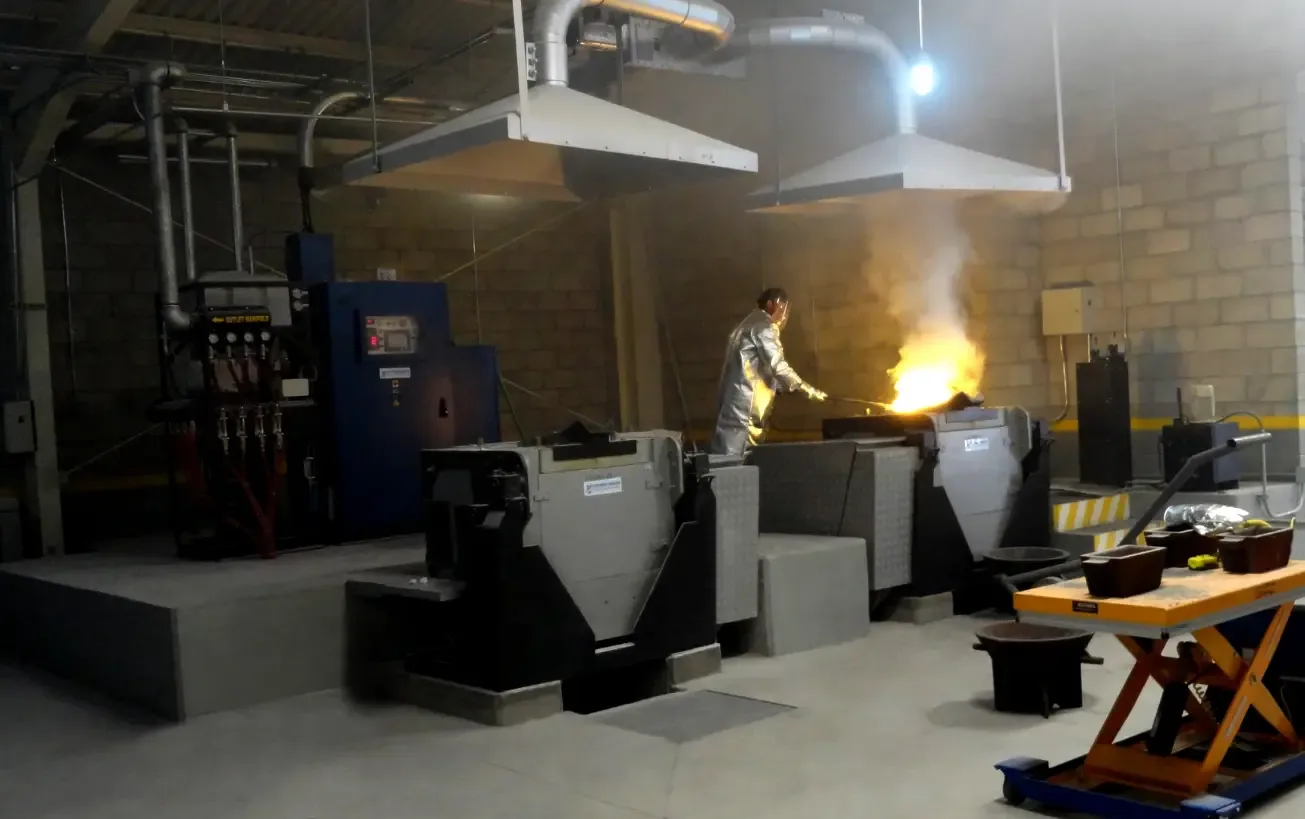
Today we have a discussion with “Mr. Alfayo”, Chief Marketing Officer of “Electroheat Induction” of Jersey City, New Jersey a supplier of Induction Melting Systems;
“From humble beginnings to becoming a world-renowned name in induction technology, Electroheat Induction has carved out a distinctive niche in the industrial landscape. Our foundation was laid on a simple yet profound mission: to develop and provide the most efficient and advanced induction heating solutions. Our commitment to this mission has not wavered since our inception. We consistently produce high-quality, reliable, and innovative induction equipment, setting the gold standard in the industry. As a pioneering force in induction melting furnace manufacturing, we harness the raw power of electromagnetic induction to drive transformative changes. Electroheat Induction has emerged as a leader in the world of induction heating equipment manufacturers.”
A publication-style Q&A for heat-treatment, furnace, foundry, and metal-processing readers.
Industrial furnace users today evaluate more than capacity when assessing equipment. In foundries, heat-treatment plants, melting shops, and metal-processing facilities, the key questions are reliability, power control, fast diagnostics, and long-term serviceability. Those factors directly affect productivity and uptime. Electroheat Induction approaches induction furnace technology from a broader operating perspective. The focus is on Insulated Gate Bipolar Transistor (IGBT)-based power control, Human-Machine Interface (HMI) diagnostics, energy monitoring, cooling-system protection, data logging, spare parts support, and custom furnace engineering. In this conversation-style feature, Electroheat explains why modern furnace performance depends on more than the furnace shell.
Q: When furnace users evaluate an induction system today, what should they look beyond capacity?
A: Capacity is important, but it is only the starting point. A furnace must be sized correctly for the required melt rate, batch size, metal type, duty cycle, and production schedule. Long-term performance, however, depends on the full system behind the furnace: the power supply, inverter, coil, capacitor bank, cooling circuit, HMI, interlocks, controls, hydraulic tilting system, spare parts availability, and service support. A furnace may have enough kilowatts (kW) on paper, but if its control system is unstable, cooling protection is weak, diagnostics are limited, or spare parts are hard to source, production reliability will suffer. At Electroheat, we view the induction furnace as a complete operating system, not just a melting vessel.
Q: Why is furnace reliability becoming such an important topic?
A: Downtime is costly, and many furnace issues originate outside the furnace body itself. In real-world production, downtime can come from electrical faults, water-flow issues, capacitor breakdowns, coil damage, control-card failures, power-supply instability, refractory problems, operator errors, or unclear diagnostics. A reliable furnace system should help operators and maintenance teams quickly and accurately identify problems. Plants should not be left guessing at the cause of a trip or failure. Electroheat systems are equipped with monitoring, protection, and diagnostic features that give operators a clear view of system health. These include electrical parameter tracking, water-temperature monitoring, heat and daily reports, alarm logs, interlocks, and fault navigation.
Q: What role does Insulated Gate Bipolar Transistor (IGBT)-based power control play in furnace performance?
A: IGBT-based power control improves power delivery and regulation during furnace operation. In induction melting, the electrical load changes as the charge moves from solid material to molten metal. Scrap density, charge condition, lining condition, and bath behavior can all affect the furnace load. The power supply must respond smoothly. Electroheat systems are built around IGBT-based inverter technology. This supports precise power control, stable operation, and efficient furnace performance. We consider IGBT technology a core element in our equipment design, alongside demand control, robust electronic circuits, Programmable Logic Controller (PLC) and HMI operation, and reliable performance under fluctuating power-supply conditions.
smoother startup from cold charge;
more stable melting;
improved holding control;
better response to changing load conditions;
reduced unnecessary electrical stress;
improved energy visibility;
repeatable furnace operation.
Q: Why should furnace users care about diagnostics and HMI visibility?
A: A furnace fault should not become a long investigation. When a furnace trips, the operator needs to know what happened. Was it a cooling-water issue, capacitor-water flow problem, coil-water temperature issue, earth leakage, overcurrent, overvoltage, input fuse failure, phase-sequence problem, IGBT temperature, or door interlock? Without clear diagnostics, maintenance becomes guesswork.
Q: How does better diagnostic visibility help maintenance teams?
A: It shortens the path from fault to corrective action. Instead of only reporting that “the furnace tripped,” the system should help the team identify whether the issue involves water flow, capacitor voltage, earth leakage, coil-water temperature, inverter current, or another specific condition. That turns troubleshooting from guesswork into a structured maintenance response. This matters because furnace downtime is rarely just a technical inconvenience. It affects melt schedules, operator productivity, delivery timelines, energy use, and customer commitments.
Q: Why is cooling-system protection so central to induction furnace reliability?
A: Induction furnace components operate under high electrical and thermal stress. The coil, capacitor bank, power electronics, and related live components require proper cooling. If water flow is interrupted, water temperature rises, or conductivity is not controlled, serious equipment damage can occur. Electroheat induction furnace water-circulation systems include demineralized- and soft-water circuits, cooling-tower support, water-flow and temperature monitoring, conductivity control, and individual flow switches. If any path drops below the required flow, protection measures activate to protect the equipment. Cooling failures are one of the areas where prevention is far better than repair. A modern furnace should not rely solely on the operator to notice a problem. It should include interlocks and protection logic that help prevent unsafe operation.
Q: What are the most important spare parts concerns for furnace owners?
A: Furnace owners should treat spare parts as part of reliability planning, not as an afterthought. In many plants, spare parts are only discussed after a breakdown. That approach increases downtime risk.
power supply boards;
furnace coils;
capacitor banks;
water-cooled cables;
furnace yoke assemblies;
control cards;
sensors;
HMI-related components;
flow switches;
temperature sensors;
hydraulic components;
cooling-system components.
When any of these components fail, production can stop. A furnace owner needs access to the right replacement parts, technical diagnosis, and support. This is where Electroheat’s role extends beyond supplying new furnaces to providing practical, hands-on support for existing furnace users.
Q: When should a furnace owner repair, retrofit, or replace an induction system?
A: The decision depends on the condition of the complete system. A simple repair may be enough when the furnace is generally healthy, and the problem is isolated. A retrofit may be better when the furnace body is still usable, but the power supply, controls, HMI, diagnostics, or protection systems are outdated. Full replacement may be necessary when the furnace has repeated failures, poor energy performance, unreliable cooling, limited availability of spares, or an obsolete control architecture. A useful evaluation should ask:
Is the furnace structure still mechanically sound?
Is the coil in good condition?
Are capacitor banks reliable?
Is the power supply stable?
Are spare parts available?
Is the cooling circuit properly protected?
Does the HMI provide useful diagnostics?
Can operators access heat reports and alarm history?
Is the furnace energy performance still acceptable?
Does downtime justify modernization or replacement?
Electroheat’s value fits naturally into this decision process because its solutions include advanced power supplies, HMI systems, diagnostics, hydraulic tilting, cooling circuits, and custom induction-melting configurations.
Q: Why is energy monitoring important in induction furnace operation?
A: Energy performance cannot be managed effectively without measurement. Furnace energy use depends on several factors: charge preparation, melt scheduling, holding time, tapping discipline, lining condition, power control, and operator practice. Electroheat systems support energy monitoring and data logging. The equipment can record minute-wise electrical parameters, heat-wise unit consumption, daily heat counts, daily unit consumption, water-temperature data, and alarm history. That information helps plant managers answer practical operating questions:
How much energy was consumed per heat?
Did energy use increase after a lining change?
Are certain operators or shifts using more energy?
Is the furnace holding metal longer than necessary?
Are cooling alarms increasing?
Are trips affecting productivity?
Is one furnace station performing differently from another?
Without this kind of data, many plants rely too heavily on estimates.
Q: How does plant power demand management help furnace users?
A: It helps facilities manage electrical load more intelligently. Induction furnaces are high-power systems. In facilities with multiple machines, melting stations, or other major electrical loads, uncontrolled demand can create cost and operational challenges. Electroheat equipment includes plant power demand management that tracks total electrical load and manages the overall load factor. The systems also support high-power-factor performance and active electrical monitoring, helping plants control costs and avoid unnecessary surges. A furnace should not be evaluated only by maximum power. It should also be evaluated by how well that power is controlled, monitored, and coordinated with the plant’s electrical infrastructure.
Q: What role does the operator interface play in daily furnace performance?
A: A good operator interface makes furnace operation more consistent. Many plants operate across shifts. Different operators may have different experience levels. A clear HMI helps standardize operation by presenting key furnace conditions in a structured manner. Electroheat HMI screens provide access to the main operating screens, interlocks, trip signals, user settings, energy meter data, temperature data, sintering cycle controls, heat reports, and minute-wise operating reports. This supports better daily operations because operators can see the furnace condition rather than relying solely on sound, habit, or manual observation. The goal is not to replace skilled operators. The goal is to give them better information so they can respond faster and operate more consistently.
Q: Why is this topic relevant to heat-treatment and thermal-processing readers?
A: The underlying concerns are similar across furnace-based industries. Melting, heat treating, forging, hardening, and other thermal processes may use different equipment, but they share similar operating priorities:
reliable heating;
stable electrical control;
safe operation;
reduced downtime;
clear diagnostics;
controlled cooling;
energy visibility;
serviceability;
operator discipline;
long equipment life.
Electroheat’s background covers induction equipment for melting, heating, hardening, forging, annealing, brazing, stress relieving, and related applications. That makes the company’s message relevant beyond one narrow product category. The broader issue is how furnace users can improve reliability, control, and maintainability in demanding industrial environments.
Q: What types of furnace systems and applications does Electroheat support?
A: Electroheat supports a wide range of induction melting and heating applications. Its induction melting furnace brochure lists output power from 10 kW to 5000 kW and melting capacity from 10 kg to 10 tons. The systems are suitable for metals such as copper, cast iron, aluminum, steel, brass, bronze, silicon, gold, and silver. Applications include foundries, castings, ingots, laboratory testing, and precious-metal or mining-related melting. This range allows Electroheat to serve a wide range of users, from small testing furnaces to large industrial melting operations.
Q: What makes Electroheat’s solution different from a simple furnace-supply discussion?
A: What sets Electroheat apart is the support system around the furnace. The furnace itself matters, but the power supply, controls, diagnostics, cooling protection, spare parts, operator interface, and service response often determine how well the equipment performs over time. Electroheat’s solution includes an IGBT-based power supply, PLC and touchscreen control, HMI diagnostics, energy monitoring, heat reports, alarm history, cooling-water protection, hydraulic tilting, interlock navigation, spare parts support, and customized furnace configuration. So the conversation is bigger than “we sell induction furnaces.” Our real message is that Electroheat helps furnace users improve reliability, control, diagnostics, energy visibility, and long-term serviceability.
Q: What is the main advice Electroheat would give to furnace owners?
A: Do not evaluate a furnace only by its rated capacity. A furnace owner should evaluate the full operating platform:
Can the power supply respond smoothly to changing load conditions?
Can the operator see useful real-time information?
Are trips and interlocks clearly explained?
Is cooling protected?
Are energy and heat reports available?
Are critical spares accessible?
Can the system be maintained over time?
Is the equipment suitable for the plant’s duty cycle?
Is the system ready for future operating requirements?
The furnace shell is important, but lasting value comes from the complete system supporting it.
Q: What is the final message for furnace users?
A: Modern furnace ownership is becoming a system decision. The most successful furnace users are not only asking for more capacity. They are asking for better control, diagnostics, energy visibility, cooling protection, spare-parts planning, and service support. That is where Electroheat Induction’s solution story fits naturally. The company’s induction furnace technology is not only about melting metal. It is about helping industrial users operate furnace systems with greater reliability, visibility, and control. In a mature furnace industry, real progress comes from practical improvements: stronger power control, clearer diagnostics, robust cooling circuits, better HMI visibility, planned spares, and more disciplined operation. That is the kind of furnace conversation Electroheat is prepared to support.
Job Title: Regional Sales Manager
Location:
Remote based, with a primary focus on supporting the commercial growth of our six (6) industrial facilities located in PA, MI, IN, and IL. Secondarily, promoting the products and services performed at our Houston, TX facility.
Position Summary:
The Regional Sales Manager (Industrials) is responsible for driving profitable revenue growth across a defined territory by developing new customer relationships and expanding share of wallet with existing accounts. This role emphasizes pipeline development, pricing discipline, and strategic account management.
Qualifications & Skills:
Education:
Bachelor’s degree preferred; equivalent experience in sales and business development will be considered. Industry-specific experience in heat treatment is advantageous.
Experience:
Demonstrated success in sales, marketing, and business development. Strong interpersonal and comm- Demonstrated success in new business development and account growth – Experience in Aerospace, Defense, Automotive, and General Industrial markets strongly desired
Technical Knowledge:
Strong technical aptitude and ability to sell process-driven solutions.
Computer Skills:
Proficiency in standard business software applications and CRM systems.
Travel Requirements:
Must possess a valid driver’s license and be willing to travel extensively (50% minimum).
Personal Attributes:
Hunter mentality with disciplined sales execution
Financial acumen
Strong communication and executive presence
Ability to operate across multi-site environments
Customer-focused with strong problem-solving abilities
Diplomatic and tactful in handling client concerns
Capable of working independently and collaboratively
Essential Duties & Responsibilities:
New Business Development
Identify and develop new customers across many industries including aerospace, defense, automotive, and general industrial markets
Build and manage a multi-stage sales pipeline
Conduct structured prospecting and market outreach
Account Growth & Share Expansion
Grow share of wallet within key accounts
Identify cross-sell opportunities across Bluewater capabilities
Strengthen customer relationships across engineering, procurement, and operations
Commercial Execution & Pricing Discipline
Execute value-based pricing strategies
Ensure consistency in quoting, lead times, and margins
CRM & Pipeline Management
Maintain accurate pipeline tracking and forecasting
Achieve defined pipeline coverage targets
Cross-Functional Collaboration
Partner with plant leadership, technical teams, and inside sales
Ensure smooth onboarding of new work
Market Intelligence
Provide insight on market trends, pricing, and competition
Work Environment & Physical Demands:
Exposure to industrial environments including heat, fumes, humidity, and noise.
Ability to sit and drive for extended periods.
Must be punctual, receptive to feedback, and able to follow company policies and procedures.
Background; According to this press release “Dana Inc.” has just announced an agreement to combine with “Eatons” Mobility business, a combination of two powertrain portfolio’s. The story is of interest to the global heat treatment industry as each of these firms maintains very substantial in-house heat-treating capabilities as is reflected in these exclusive heat treatment stories about “Dana” from “The Monty Heat Treat News”.
“Dana Incorporated Announces Agreement to Combine with Eaton’s Mobility Business, Strengthens Dana’s Position as a Leading Global Powertrain Systems Provider
MAUMEE, Ohio, June 11, 2026 /PRNewswire/ — Dana Incorporated (NYSE: DAN) today announced it has entered into a definitive agreement with Eaton Corporation plc (NYSE: ETN) to combine with Eaton’s Mobility business in a transaction valued at approximately $5.1 billion, representing approximately 8.3x estimated 2026 pro forma adjusted EBITDA before synergies, or approximately 5.9x including run-rate synergies. The transaction combines two highly complementary powertrain portfolios to create a comprehensive, differentiated leader in commercial and light vehicle markets.
The transaction is structured as a Reverse Morris Trust with Eaton shareholders owning at least 50.1% and Dana shareholders owning approximately 49.9% of the combined company at close. Under the terms of the agreement, Eaton will receive a cash distribution of approximately $1.1 billion (subject to adjustments for cash and indebtedness).
Dana’s Chairman, R. Bruce McDonald, will serve as Executive Chairman of the combined company with responsibility for integration and synergy realization, and Byron Foster will serve as Chief Executive Officer, with both assuming their roles on July 1, 2026. Timothy Kraus will continue as Chief Financial Officer, and Eaton’s Erin Rowse, Senior Vice President Human Resources, Industrial, will serve as Chief Human Resources Officer at closing. The broader leadership team will include executives from both organizations. The combined company’s Board of Directors will be comprised of all the members of Dana’s Board of Directors and three Eaton designees.
The combination will integrate Dana’s global powertrain, thermal, and sealing technologies with Eaton Mobility’s commercial vehicle transmissions, engine and emissions products, and advanced electrification capabilities, creating a more comprehensive supplier serving commercial and light vehicle markets, as well as the associated aftermarket channels.
“This transaction marks an important milestone in our transformation and positions Dana as a leading, scaled provider of powertrain solutions,” said Byron Foster, Dana’s incoming Chief Executive Officer. “By expanding our presence in core markets with new products and complementary technologies, we are enhancing our ability to deliver greater value to customers while strengthening margins through a more balanced portfolio and meaningful synergies. Importantly, we are bringing together highly skilled and dedicated teams whose expertise will drive our future success. This combination further accelerates the execution and expands the scope of our Dana 2030 strategy by increasing scale, deepening our aftermarket capabilities, and advancing both our traditional and electrification technologies.”
Tuesday June 2, 2026, commercial heat treater “IMT Elemental” (formerly H & S Heat Treating) in Port Robinson, Ontario, Canada suffered what can only be described as a “devasting” fire, we have this report from “Niagara This Week.com” ;
“JUNE 3; There were no injuries — though damage is expected to be in the millions of dollars — after fire broke out at a Thorold heat-treating facility Tuesday night. At 10:49 p.m., Thorold firefighters were called to IMT Elemental, the former H&S Heat Treatment plant at 133 South St. N. in Port Robinson. Fire Chief Terry Dixon said the fire originated with one of the burners used to heat metals to strengthen them.
The plant was in operation at the time, and employees evacuated once the fire broke out. The fire was contained to the single burner on the main floor but spread up into the second floor where employee lockers are located. Dixon said firefighters had to attack the blaze from the inside where they encountered a great deal of flames and smoke.
He said the fire was considerable, and crews were on the scene for roughly five hours before it could be confirmed extinguished. “Those are big burners, they get very hot,” he said. “It takes a lot of water to put them out.” Dixon didn’t have an exact figure for a damage estimate but said the equipment alone is worth millions of dollars.”
While details are scarce, one estimate suggested damages could exceed $7 million. The understanding of “The Monty Heat Treat News” is that the fire started in the batch IQ department which consists of five 36″ X 72″ X 36″ furnaces and spread from there. We believe that all of these furnaces and a continuous furnace in the same building were very extensively damaged and are currently out of commission.
Over the past several years the Ontario market (the manufacturing heart of Canada and the center of the auto industry) has seen the loss of a substantial amount of commercially available atmosphere heat treating. As an example in 2025 “Cambridge Heat Treating” in Cambridge, Ontario closed with the subsequent loss of 5 large batch IQ furnaces.
With the heat-treating capacity of “IMT Elemental” not currently available a number of local manufacturers are scrambling to find alternate heat-treating sources which is not readily available. While “The Monty” is well aware that over the course of the next 6 months five or six 36″ X 48″ X 36″ Batch IQ units will be brought on line in Ontario, this is small consolation to manufacturers looking for heat treat capacity today. As an example, capacity in the province is in such short supply currently that at least one in-house heat treater is considering entering the commercial heat treatment market with their open capacity.
We will keep you updated on this story.
About “IMT Elemental” (Formerly H & S Heat Treating); At IMT Elemental, we pride ourselves on being the ultimate solution for all your heat-treating needs. We offer highly efficient and reliable services to meet the diverse requirements of various industries.
Our expertise spans a wide range of sectors, including aircraft, agriculture, armament, automotive, environment, fastener, oil & gas, general engineering, mining, and nuclear energy.
Our customers enjoy the benefits of our integrated production facilities in the U.S. and Canada. Under the IMT umbrella, we bring together heat treating, machining, forging, and finishing capabilities, ensuring a seamless and high-quality production process.
Using a combination of open fire and controlled atmosphere furnaces in our Port Robinson facility, we are capable of processing work continuously at rates up to 4000 pounds per hour and sizes ranging in weight up to 5000 pounds and stress relieving capacity to 20,000 pounds.












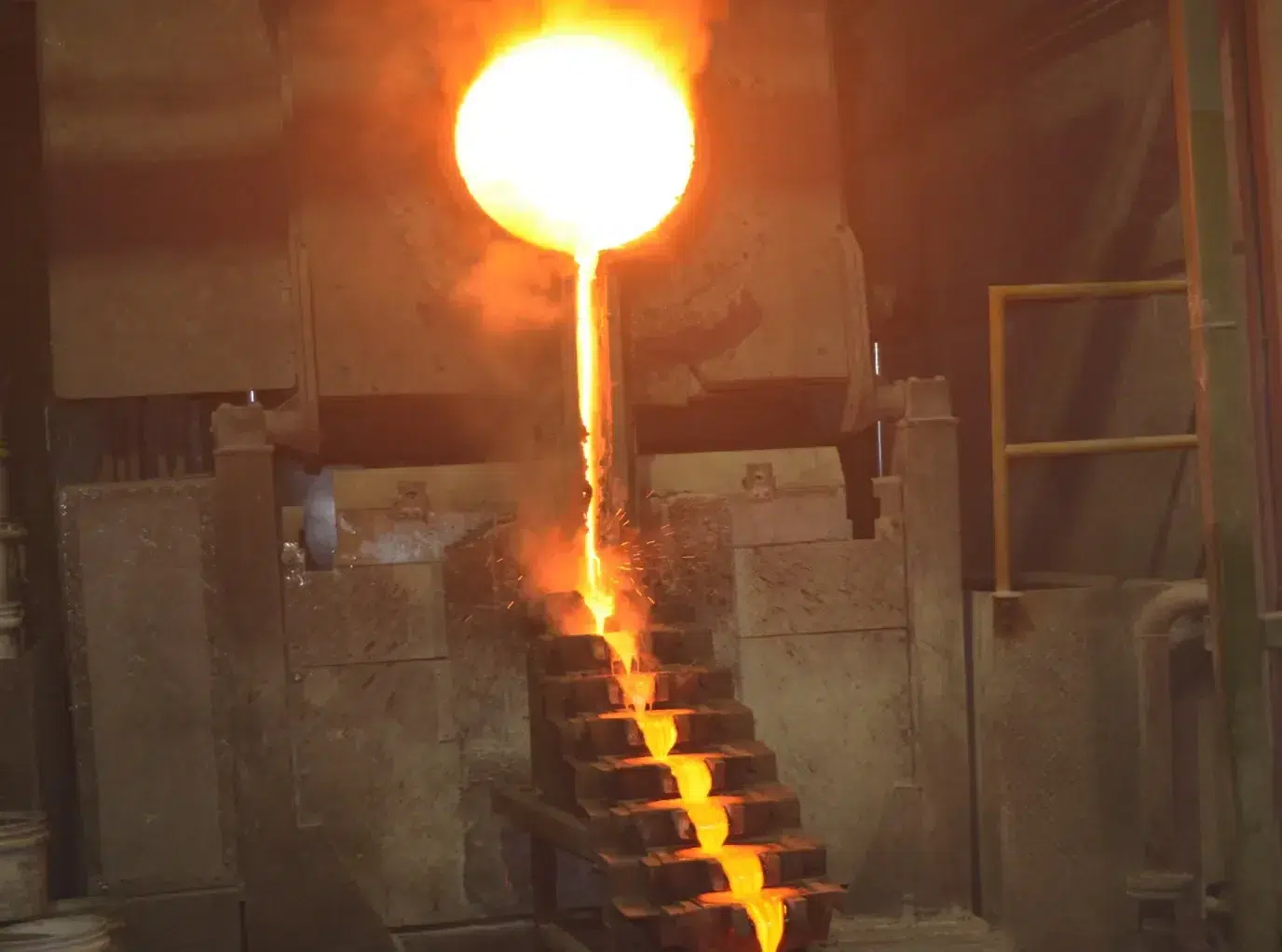 “From humble beginnings to becoming a world-renowned name in induction technology, Electroheat Induction has carved out a distinctive niche in the industrial landscape. Our foundation was laid on a simple yet profound mission: to develop and provide the most efficient and advanced induction heating solutions. Our commitment to this mission has not wavered since our inception. We consistently produce high-quality, reliable, and innovative induction equipment, setting the gold standard in the industry. As a pioneering force in induction melting furnace manufacturing, we harness the raw power of electromagnetic induction to drive transformative changes. Electroheat Induction has emerged as a leader in the world of induction heating equipment manufacturers.”